Group Mobility Report
Lecce, 2-9 November 2025
28. Nov. 2025
written by: Steve Szabó
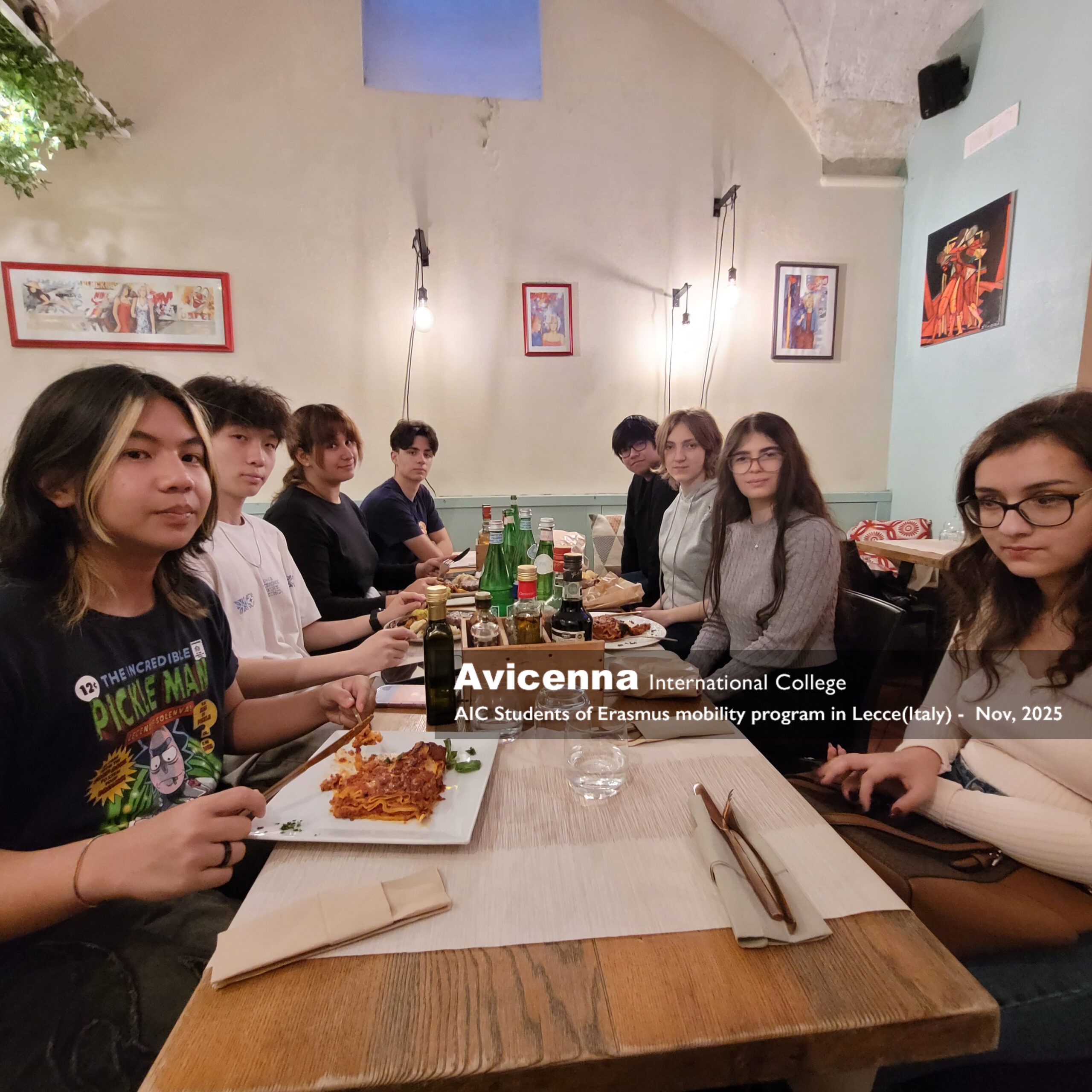
Between the 2nd and 9th of November 2025, a group of eight students from Avicenna International College, accompanied by the Erasmus coordinator, took part in a one-week Erasmus+ group mobility programme in Lecce, Salento. The students, aged between fifteen and sixteen, were hosted by Istituto Deledda at their Bioengineering and Sciences Campus. In Italy their teaching week include Saturday as well, allowing for a full six-day academic and cultural exchange. The programme successfully combined hands-on scientific learning with cultural immersion, sustainability projects, and joint social experiences, fostering intercultural understanding and long-term friendships between the AIC and Italian students.
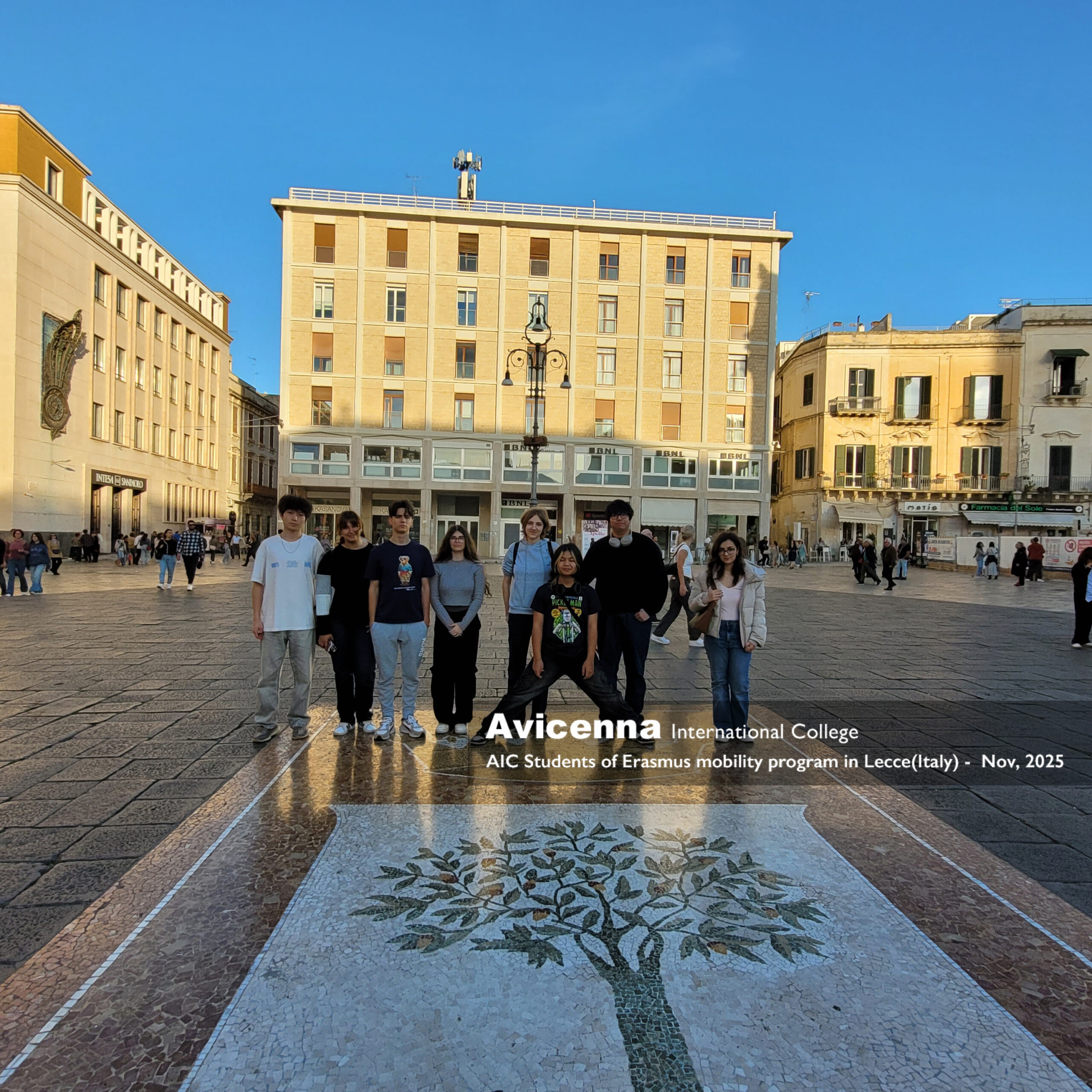
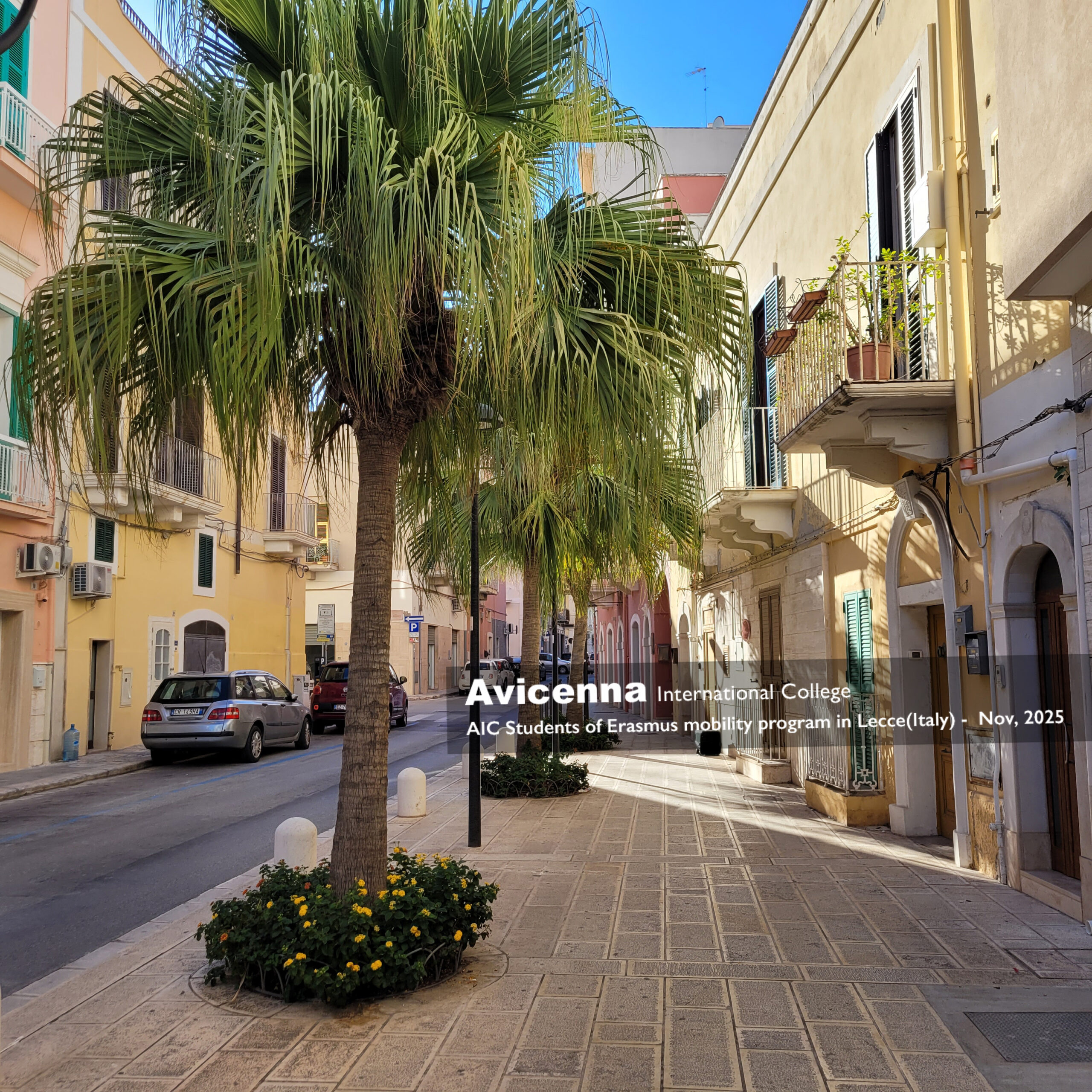
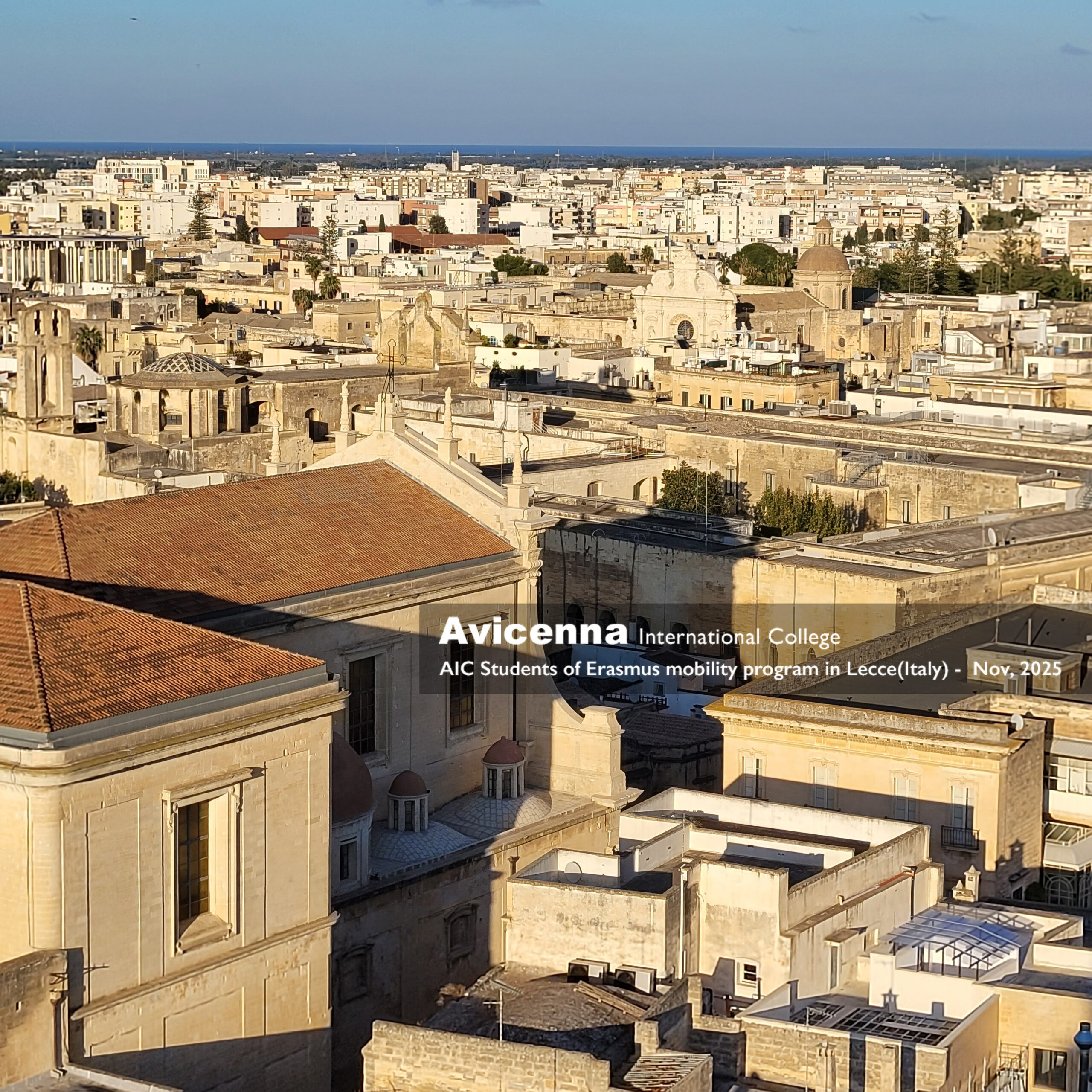
The group arrived early on Sunday morning at Bari Airport and travelled through the beautiful Puglian countryside to Lecce. After checking into our accommodation which had a breathtakingly beautiful Palm tree and cactus garden underneath, the students had the rest of the day to relax, recover from the journey that started at 3 am in Budapest, and take a short evening walk in the old town. We immediately felt welcomed by the warmth of the Italian hosting city and were fascinated by Lecce’s famous baroque architecture and lively atmosphere, which set the tone for the week ahead.
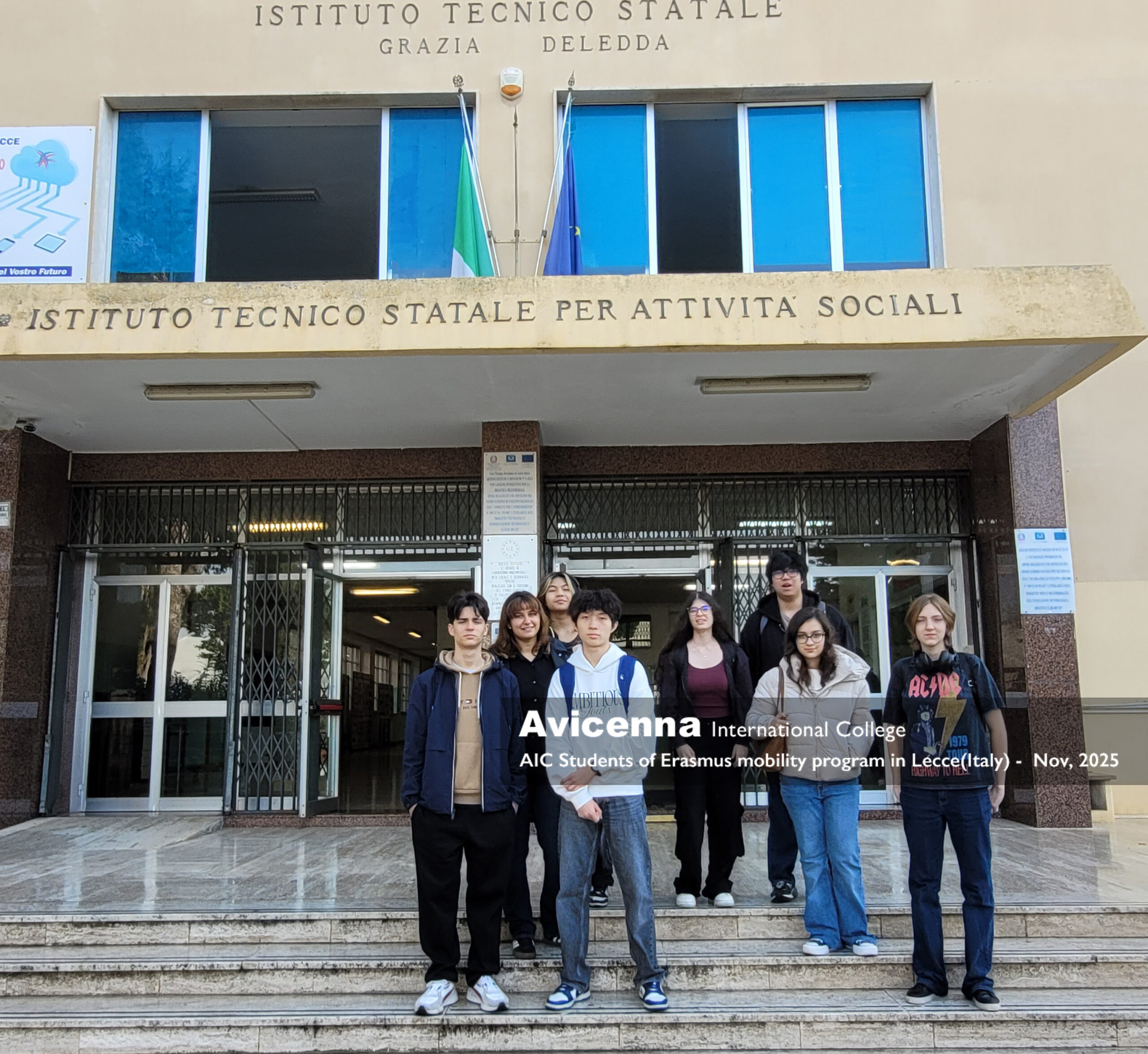
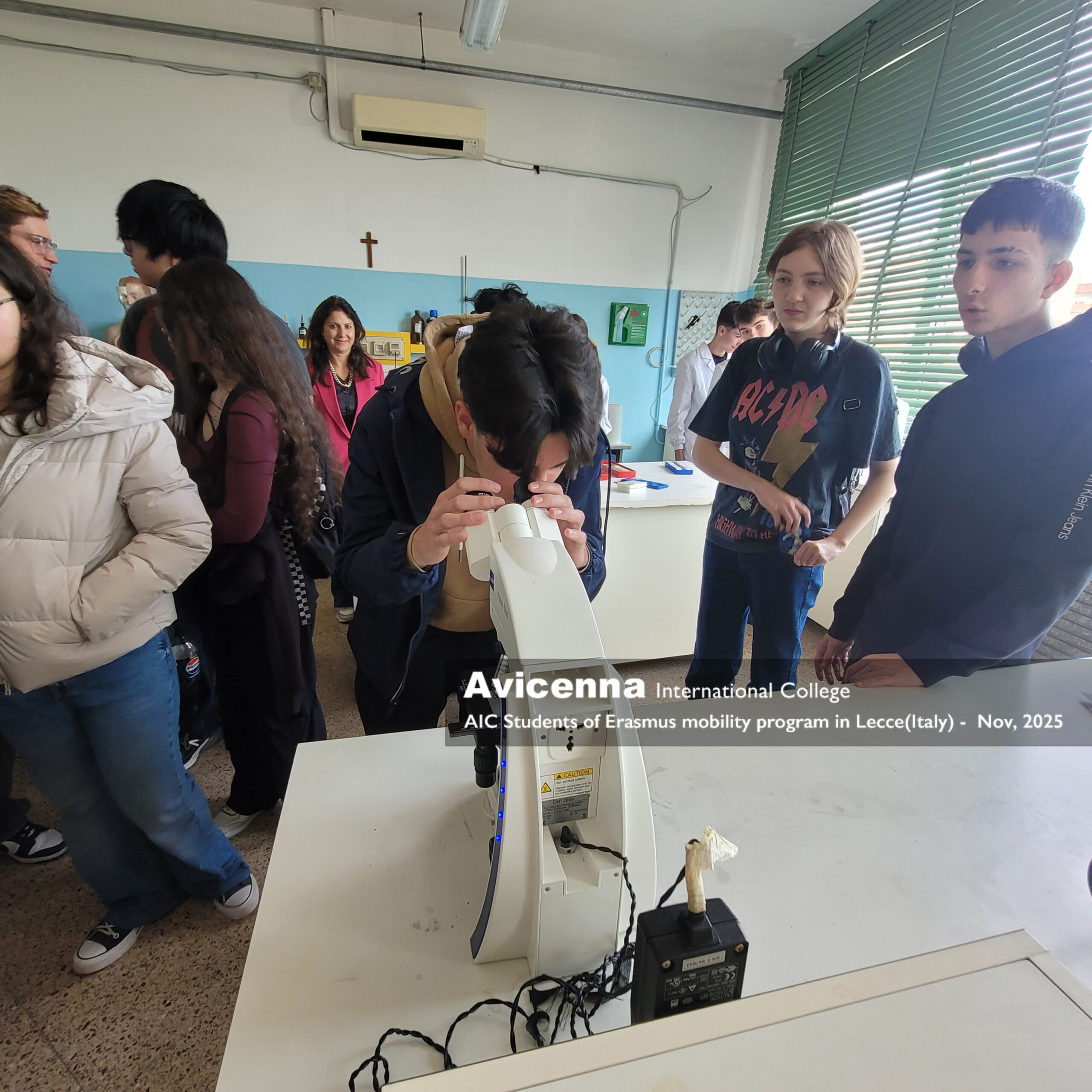
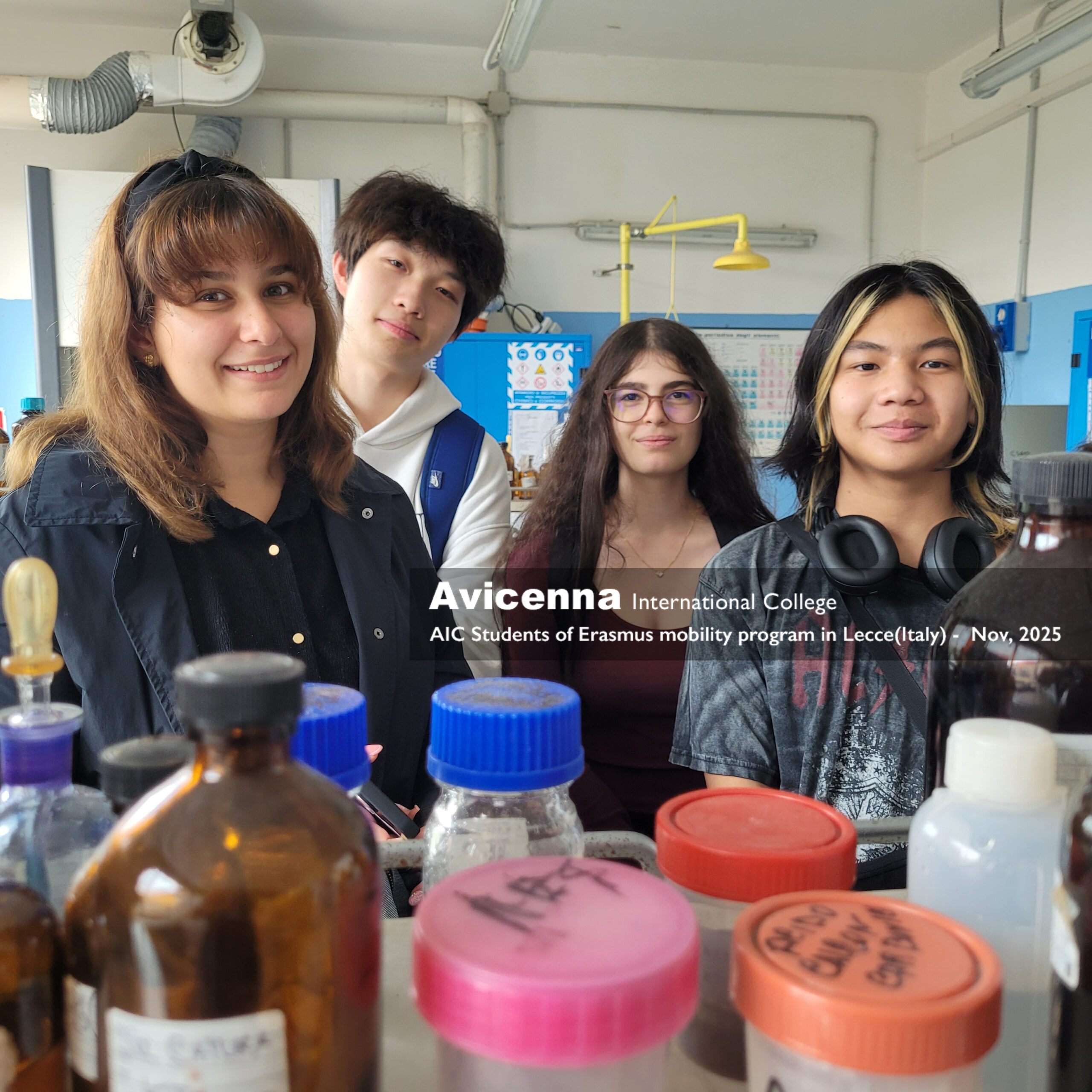
Monday began with a cheerful introduction session at Istituto Deledda, our partner school. Students from both schools participated in a series of games and interactive presentations about the seven nationalities represented in the Avicenna group, reflecting the school’s multicultural nature. This was followed by a dance club session in the school’s conference room, where everyone learned simple steps from the local Salentino folk traditions. Laughter filled the room as cultural differences melted into collaboration and fun. Later in the morning, the group toured the school, visiting classrooms, laboratories, and the bioengineering facilities. They met the teachers, the Erasmus coordinator and the principal, both kind and inspiring women who emphasized the importance of European cooperation and sustainability in education. In the afternoon, the group explored Lecce with local students as guides, discovering its charming streets, historical churches, green parks, and local landmarks such as the Piazza del Duomo and the Basilica di Santa Croce. The day ended with ice cream and smiles, marking the start of genuine cross-cultural friendships.
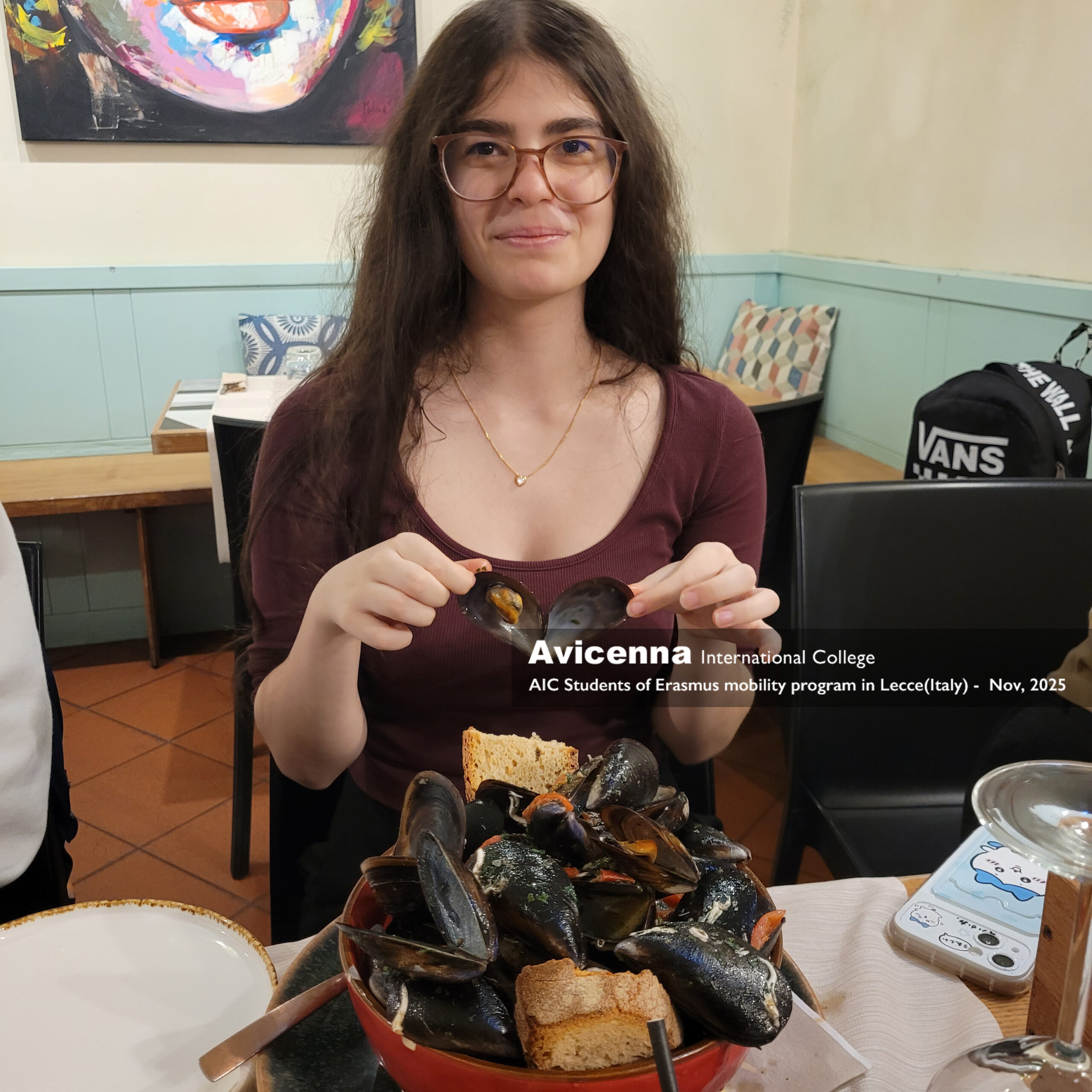
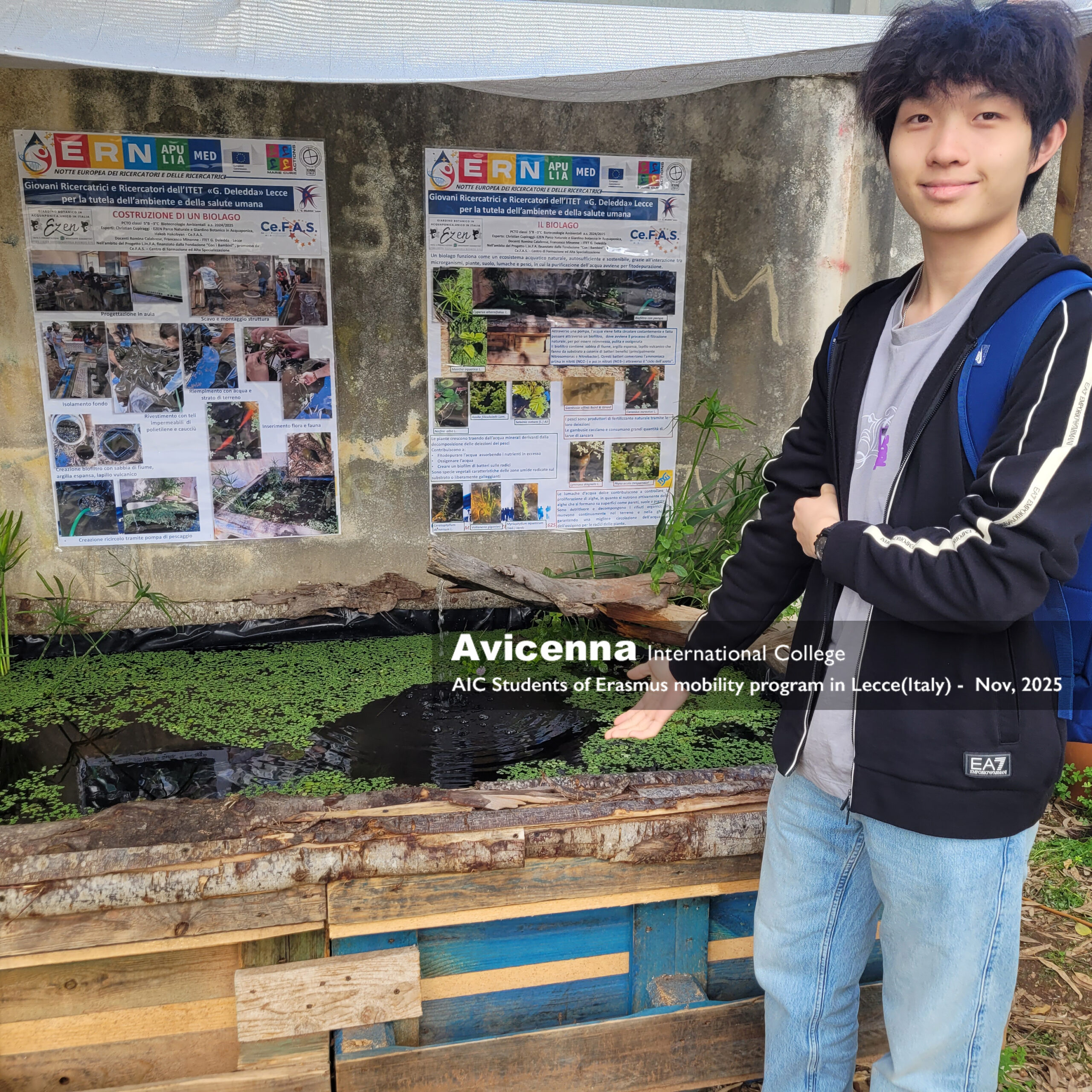
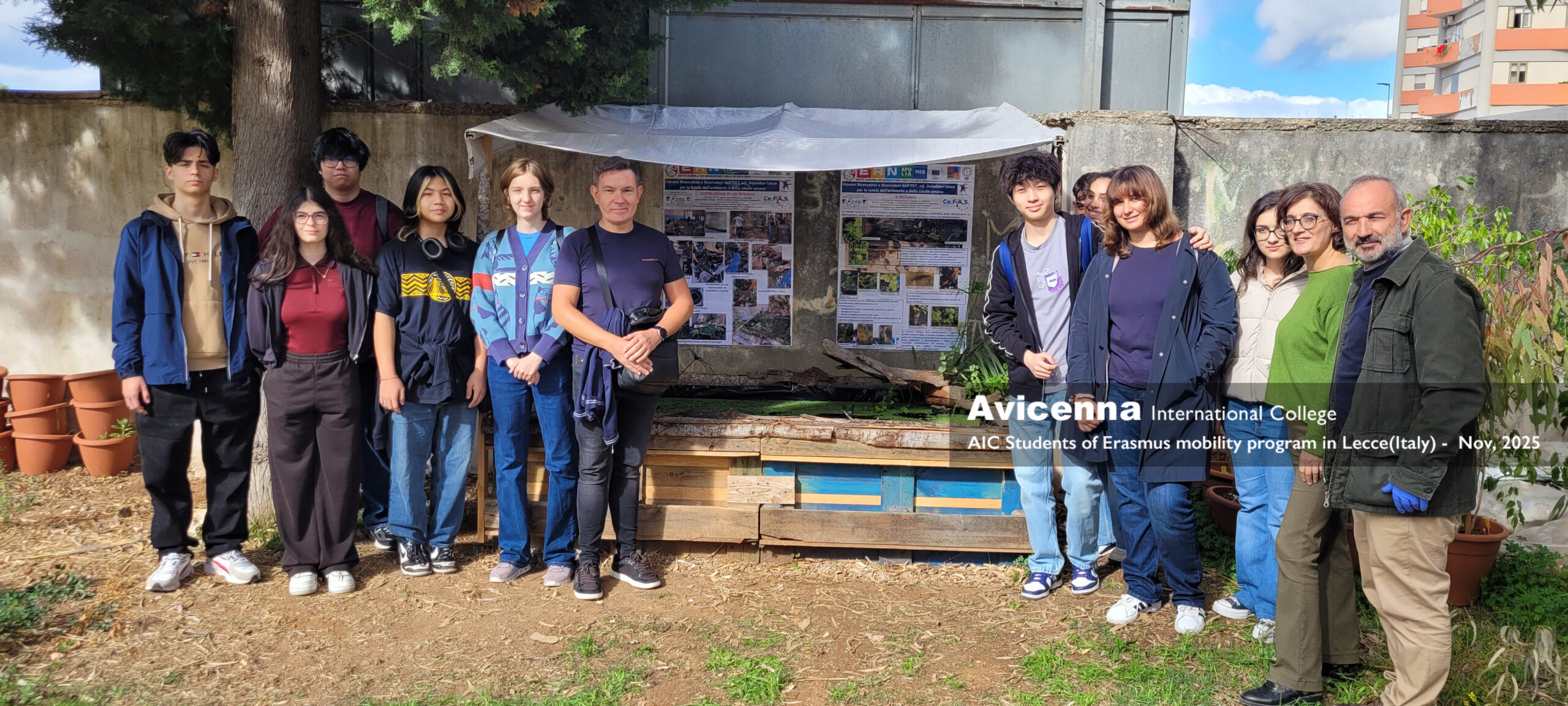
On Tuesday the students returned to the campus for a morning full of science and technology. They took part in an escape room challenge using VR goggles, solving environmental and biological puzzles in mixed teams. The activity encouraged creative problem-solving and teamwork while introducing them to virtual reality applications in learning. Afterwards, the students visited the school’s greenhouse to study the bio water ecosystem and hydroponic systems developed by the local science department. We learned about sustainable farming practices and discussed possibilities of recreating a small hydroponic project back in Budapest. The afternoon was spent socializing with Italian students, who guided them through local spots and joined them for a dinner full of laughter, music, and authentic Lecce cuisine.
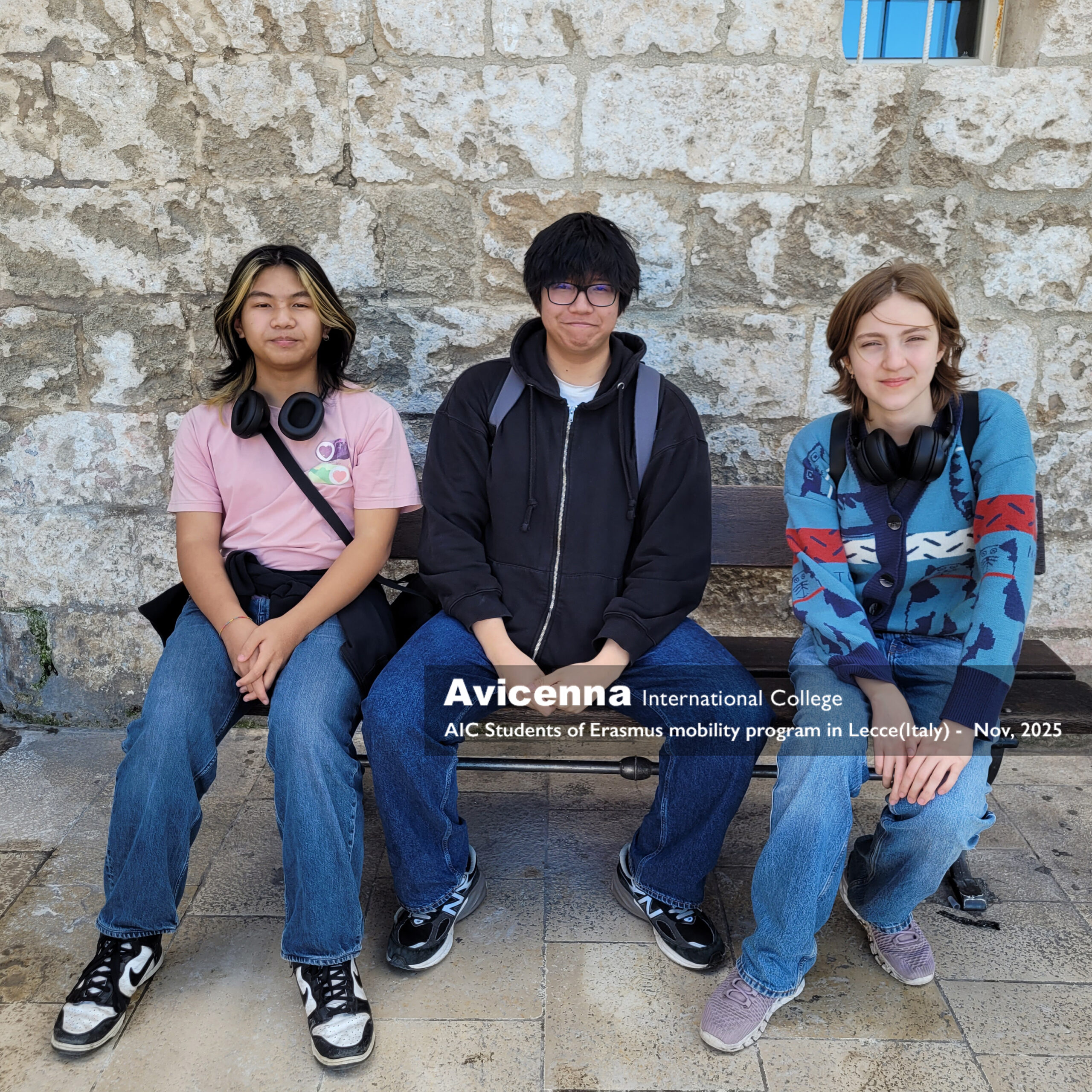
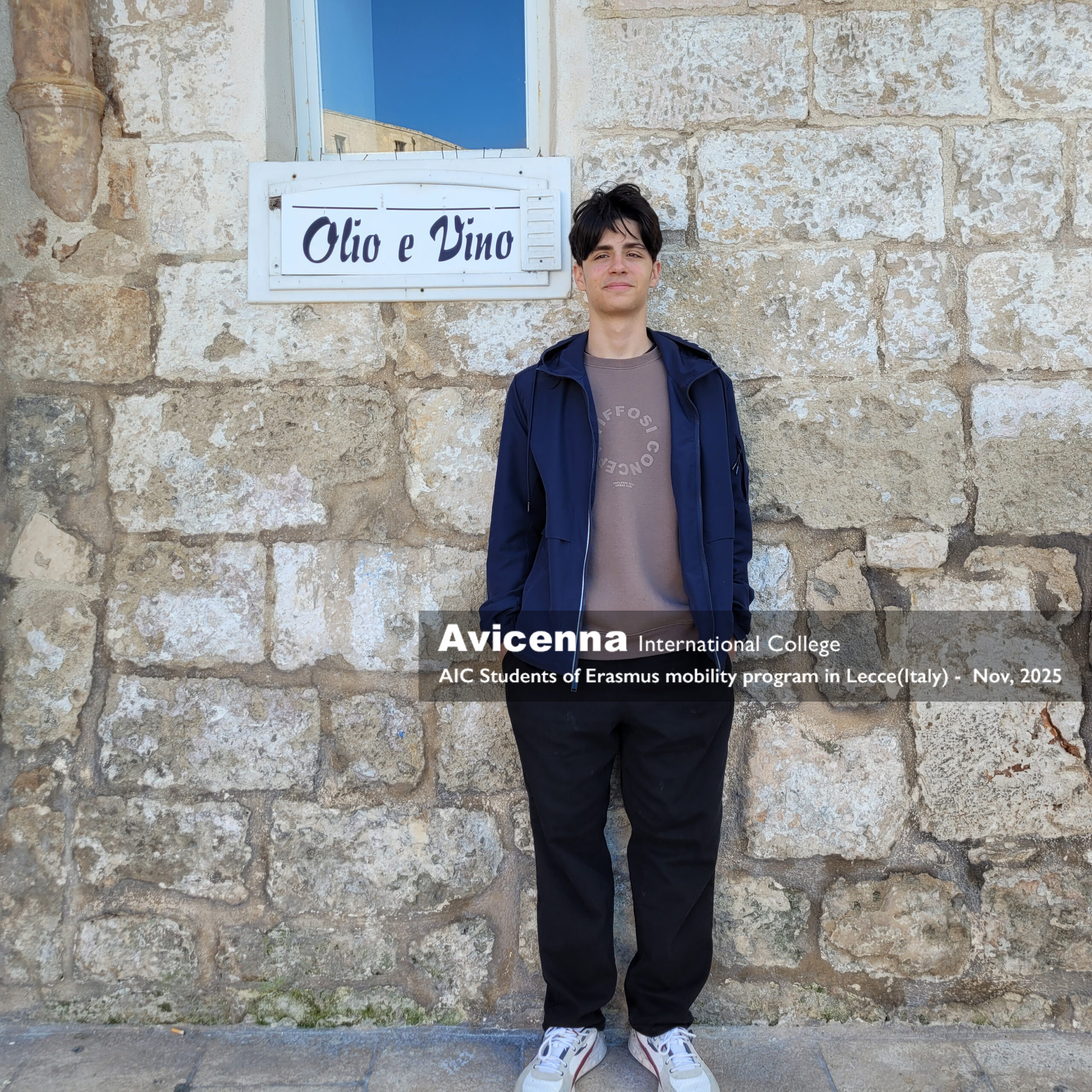
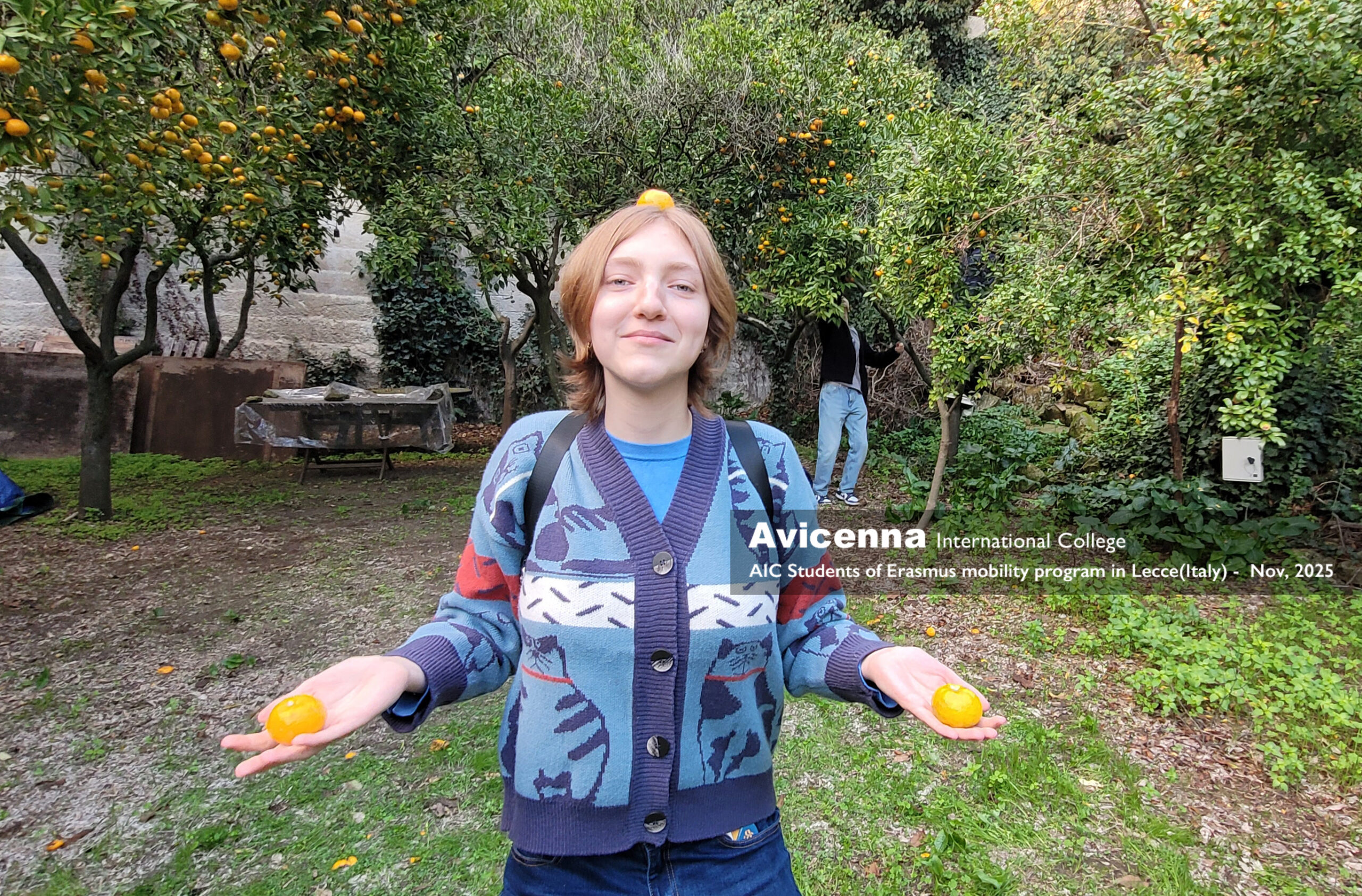
Wednesday’s schedule had been rearranged due to the opening times of the EZEN hydroponic private farm, so the group spent the entire day exploring sustainability in practice. They visited the EZEN farm, a fully hydroponic agricultural and research facility focusing on sustainable vegetable production and ecosystem balance. Students observed how technology and biology work hand in hand to ensure efficiency without harming the environment observed the pond’s flora and fauna, which forms part of the farm’s integrated aquaponic system. In the afternoon, we continued to another agricultural site that specializes in preserving rare Mediterranean fruit trees, mainly citrus species. We reached there by walking through the countryside across typical Mediterranean vegetation in 21 degrees Celsius in November. The project impressed the group with its focus on biodiversity, genetic preservation, and climate resilience. We were also treated to a fruit and vegetable late lunch at the farm.
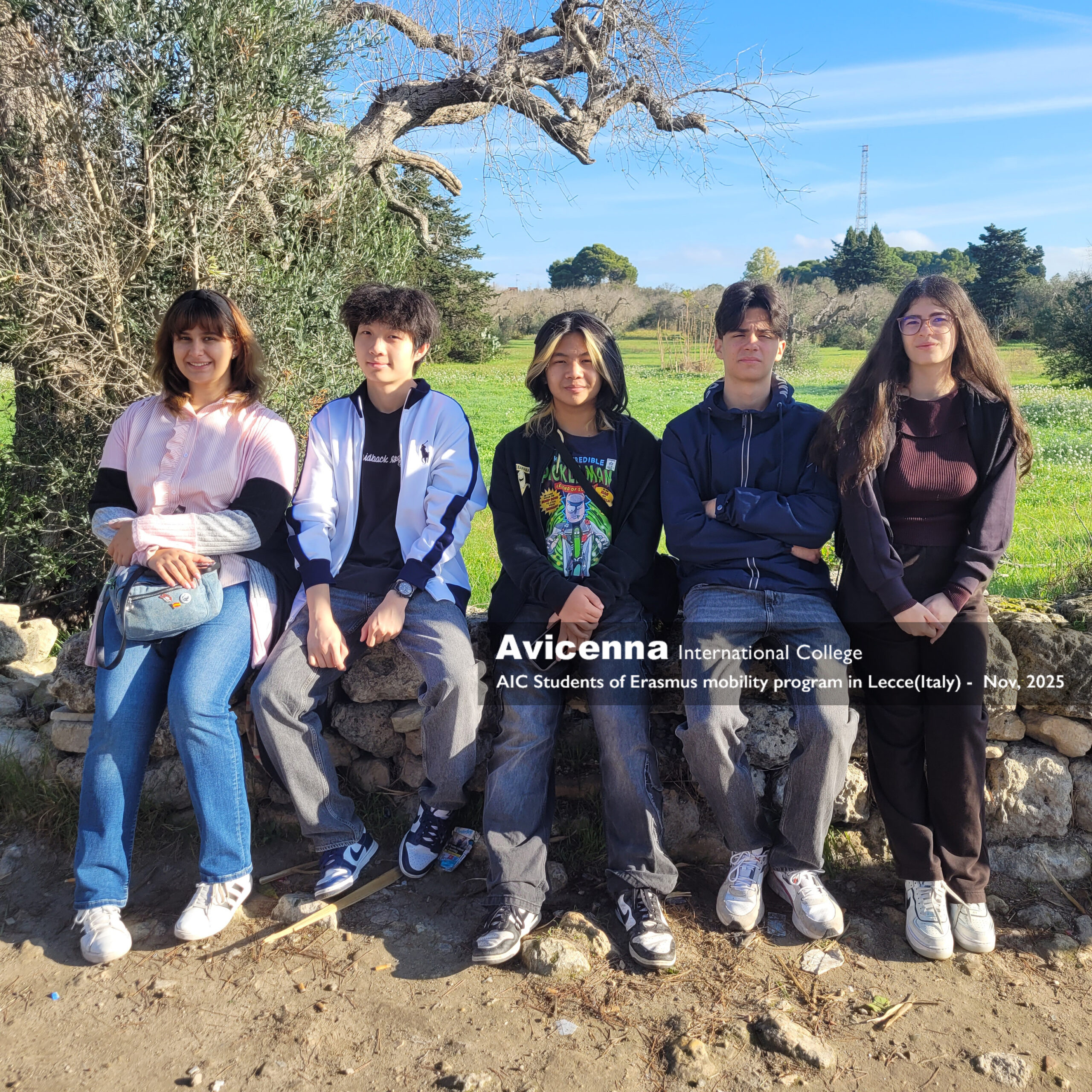

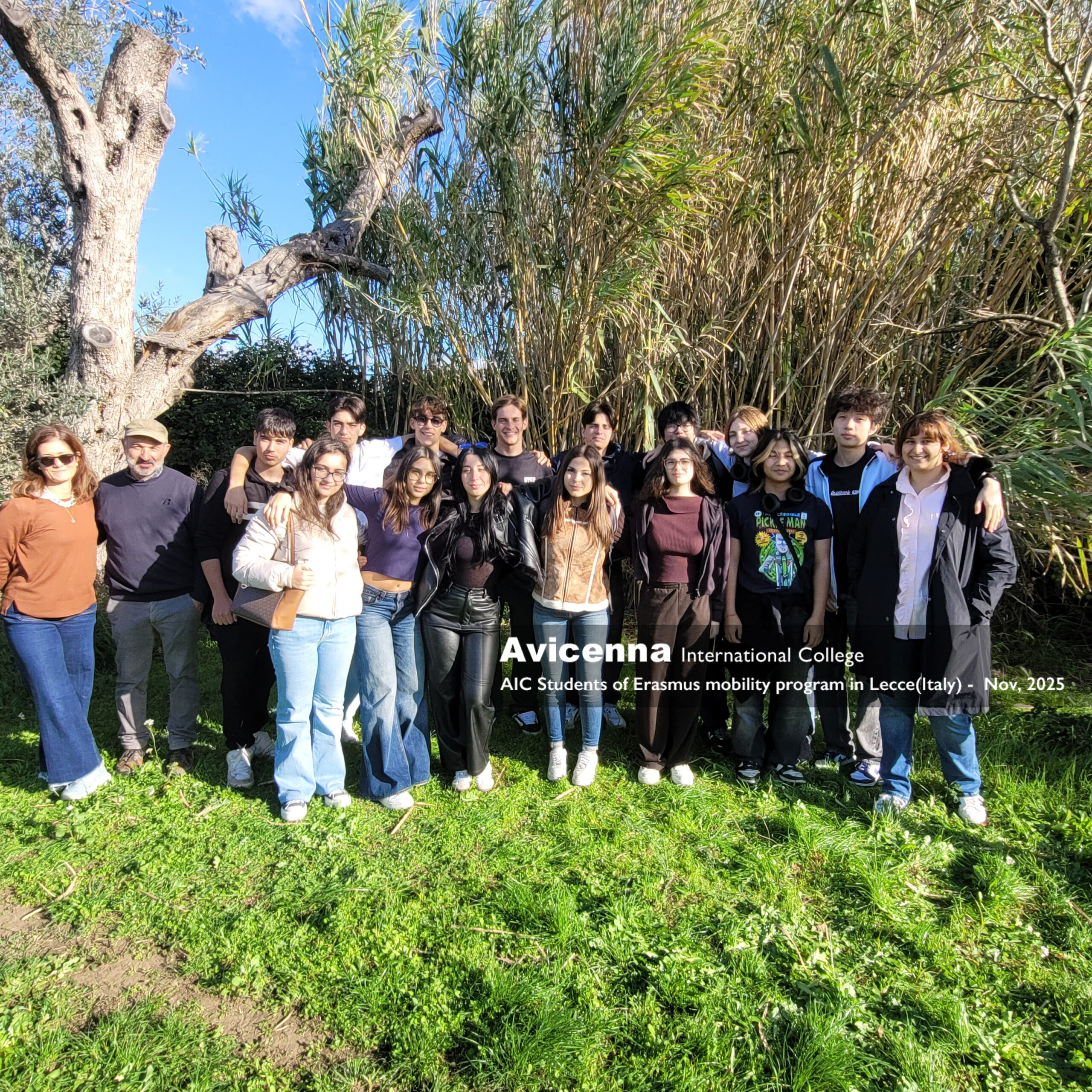
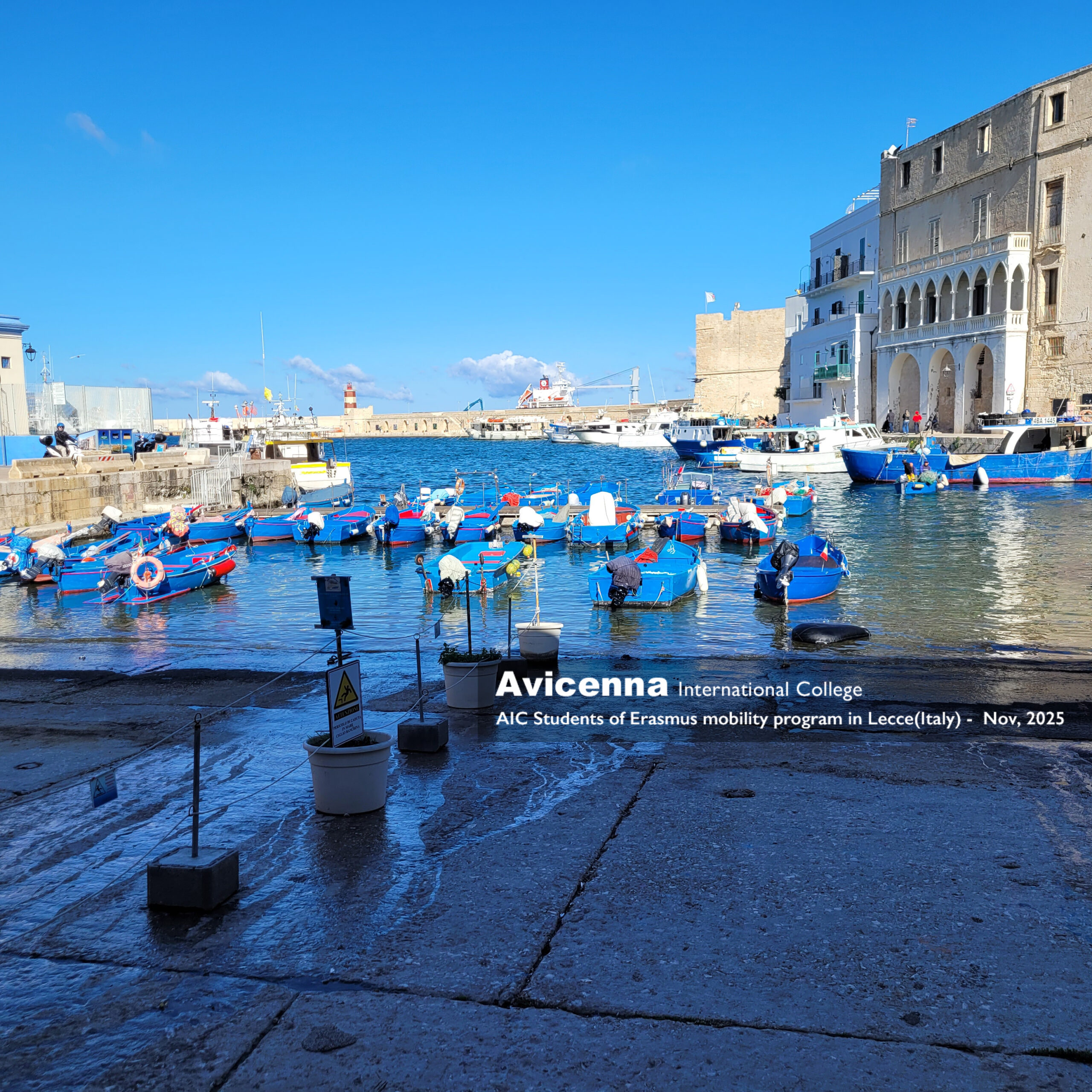
Thursday was dedicated to cultural exploration. The group travelled by train along the Adriatic coast to Monopoli, a picturesque seaside town. Together with local students, we wandered through narrow alleys, visited historical fortifications, and enjoyed the peaceful atmosphere of the old harbour, where we also took a lot of pictures to remember all this beauty. Although it was the 6th of November, we also walked down to the beach in the warm weather, admiring the pristine coastline and turquoise water and collecting shark teeth and remnants of shark eggs. The day provided a perfect balance between learning, relaxation, and discovering Puglia’s cultural and natural beauty.
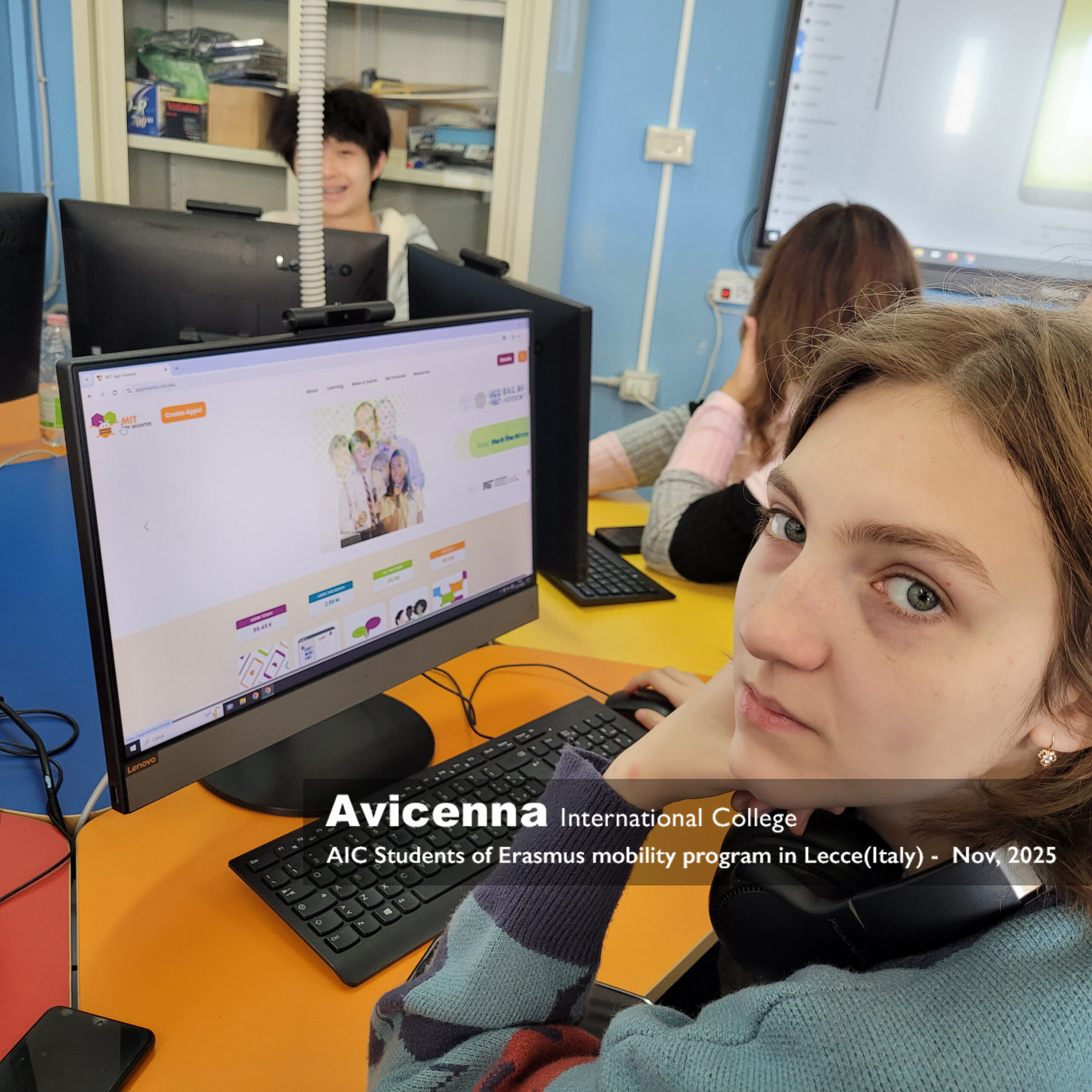
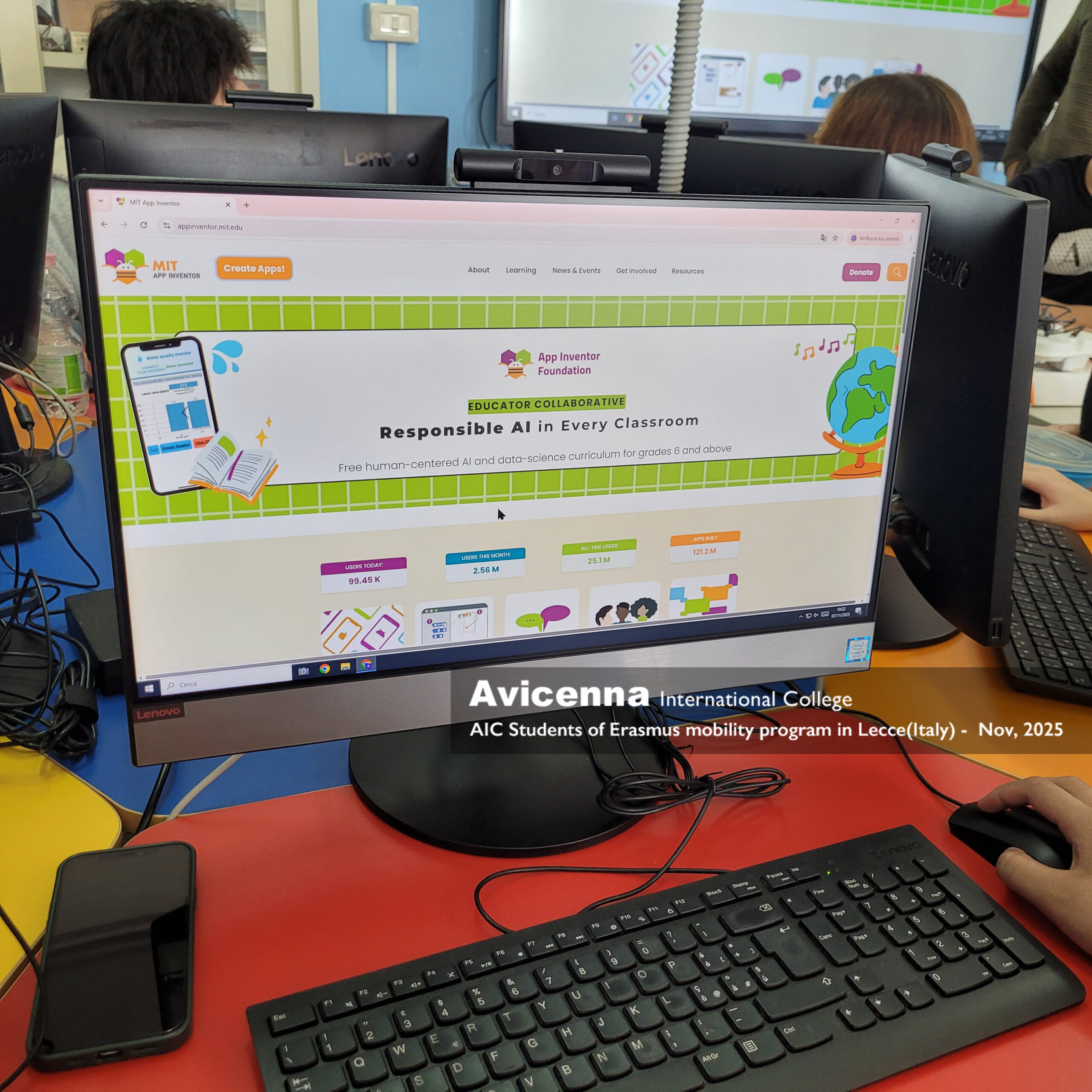
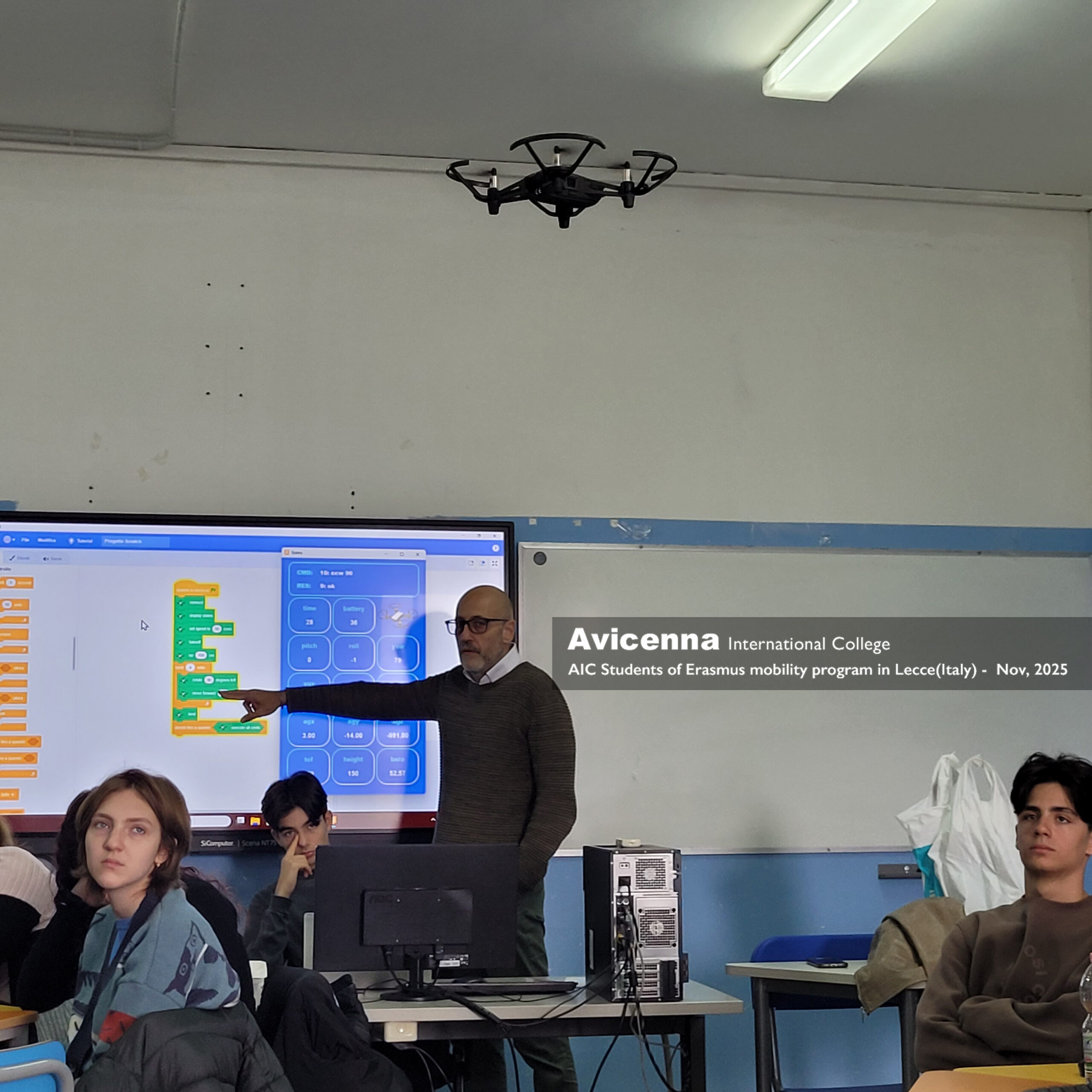
On Friday the programme returned to science and innovation. In the school’s IT laboratory, the students participated in a workshop on drone programming and the development of a simple environmental monitoring app. They learned how coding and technology can help observe and protect natural ecosystems. Later in the day, we visited an urban garden that had once been a quarry and later a rubbish dump, but thanks to local activists, had been cleaned and transformed into a green public space. The visit inspired discussions about civic responsibility and how young people can contribute to sustainable city development in their fee time as volunteers. Again, the weather was fantastic, we were all in shorts in November among citrus trees as evidenced by the photos.

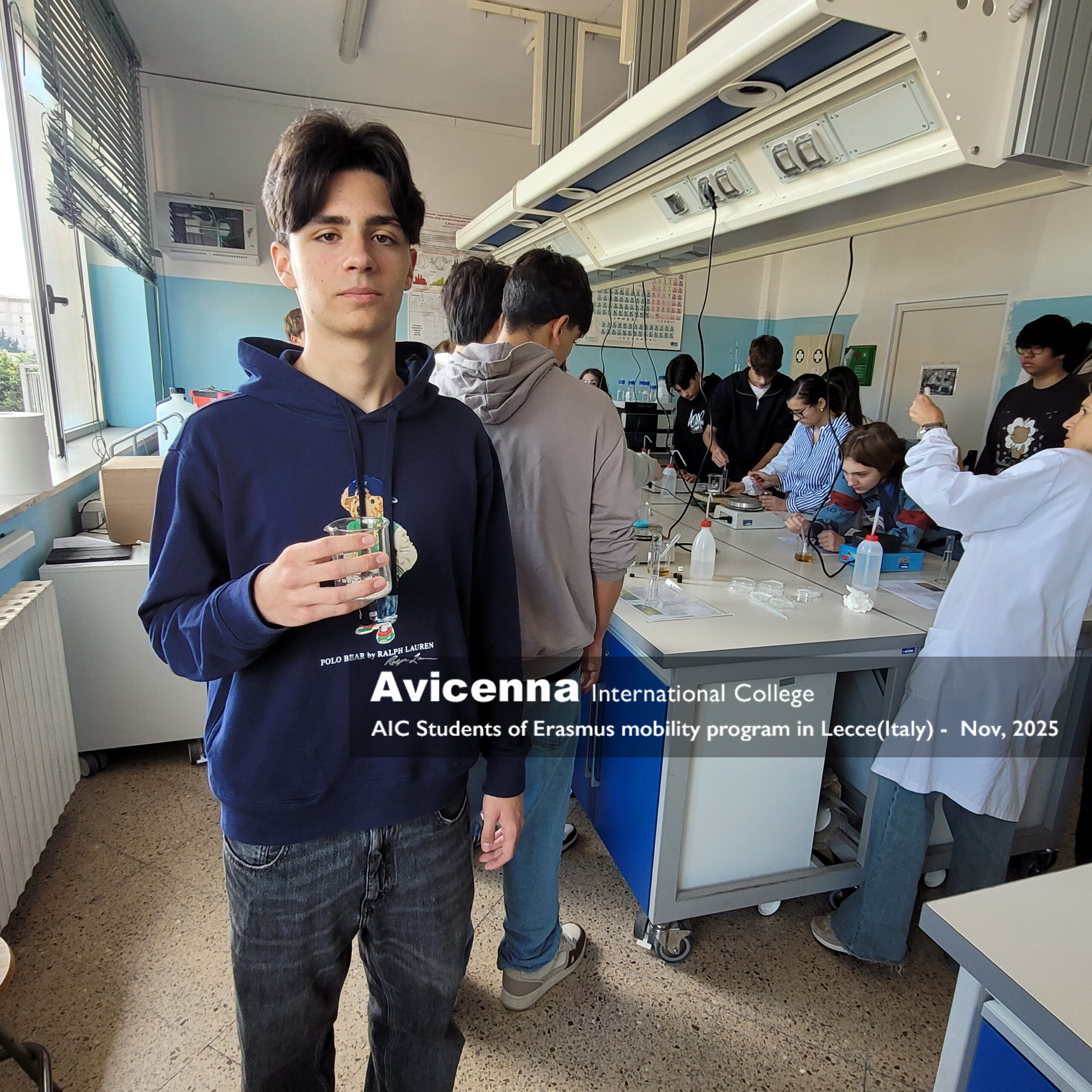
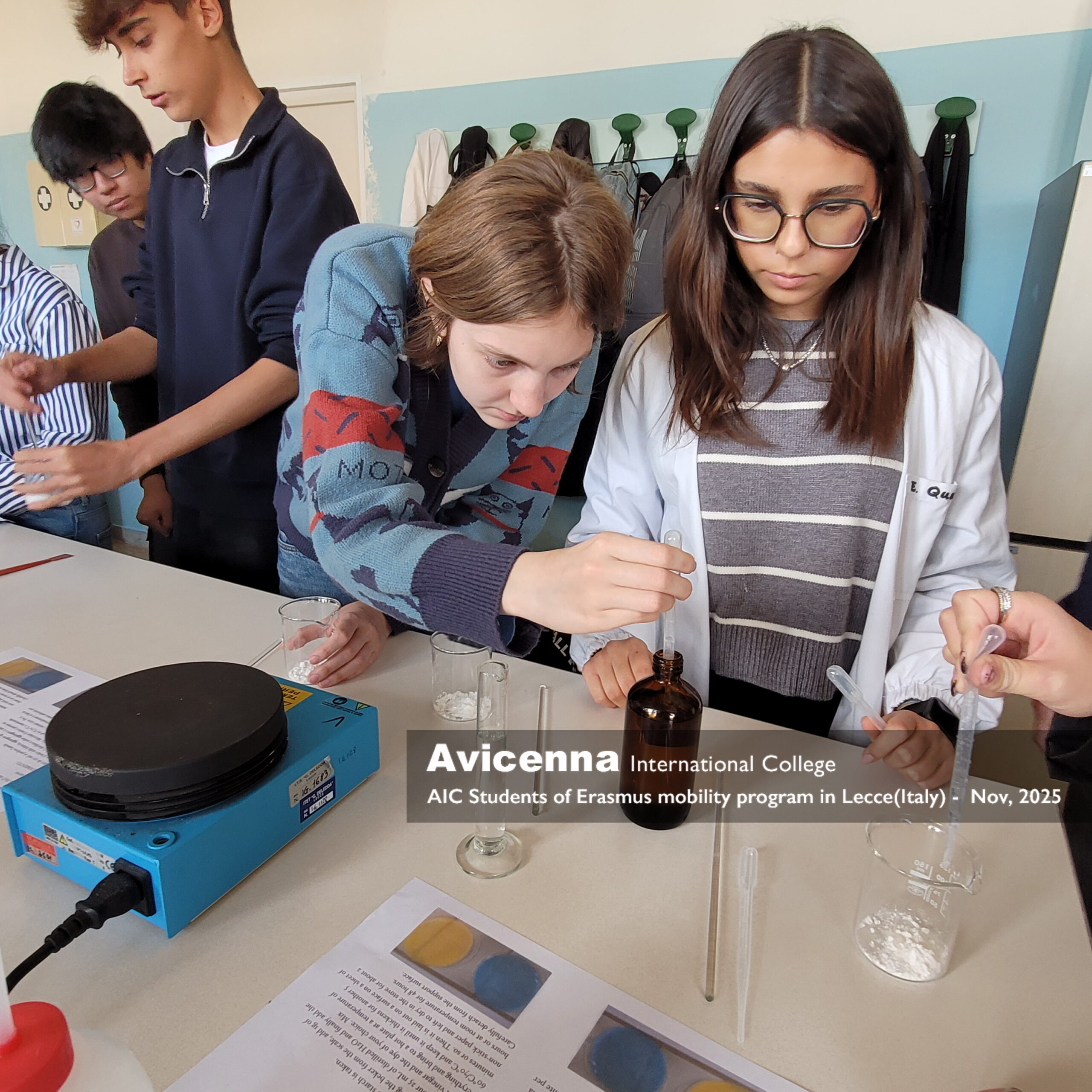
Saturday, the final full day of activities, began with a joyful Pizzica dance workshop, where Italian students taught their Hungarian friends the lively rhythm and movements of this traditional Salento folk dance. In the school’s chemistry lab, the students then experimented with producing bio-based and non-biodegradable plastics. They learned about the chemistry behind nylon and discussed environmental issues related to plastic pollution. They also produced nylon as an artificial silk and also naturally degrading plastics as well. The morning was both fun and educational, combining creativity with scientific awareness. The week concluded with a certificate ceremony in the school aula. Teachers, coordinators, and students gathered to share memories, express gratitude, and celebrate the successful completion of the Erasmus program. Homemade cakes and local pastries were served, adding sweetness to an already unforgettable week.
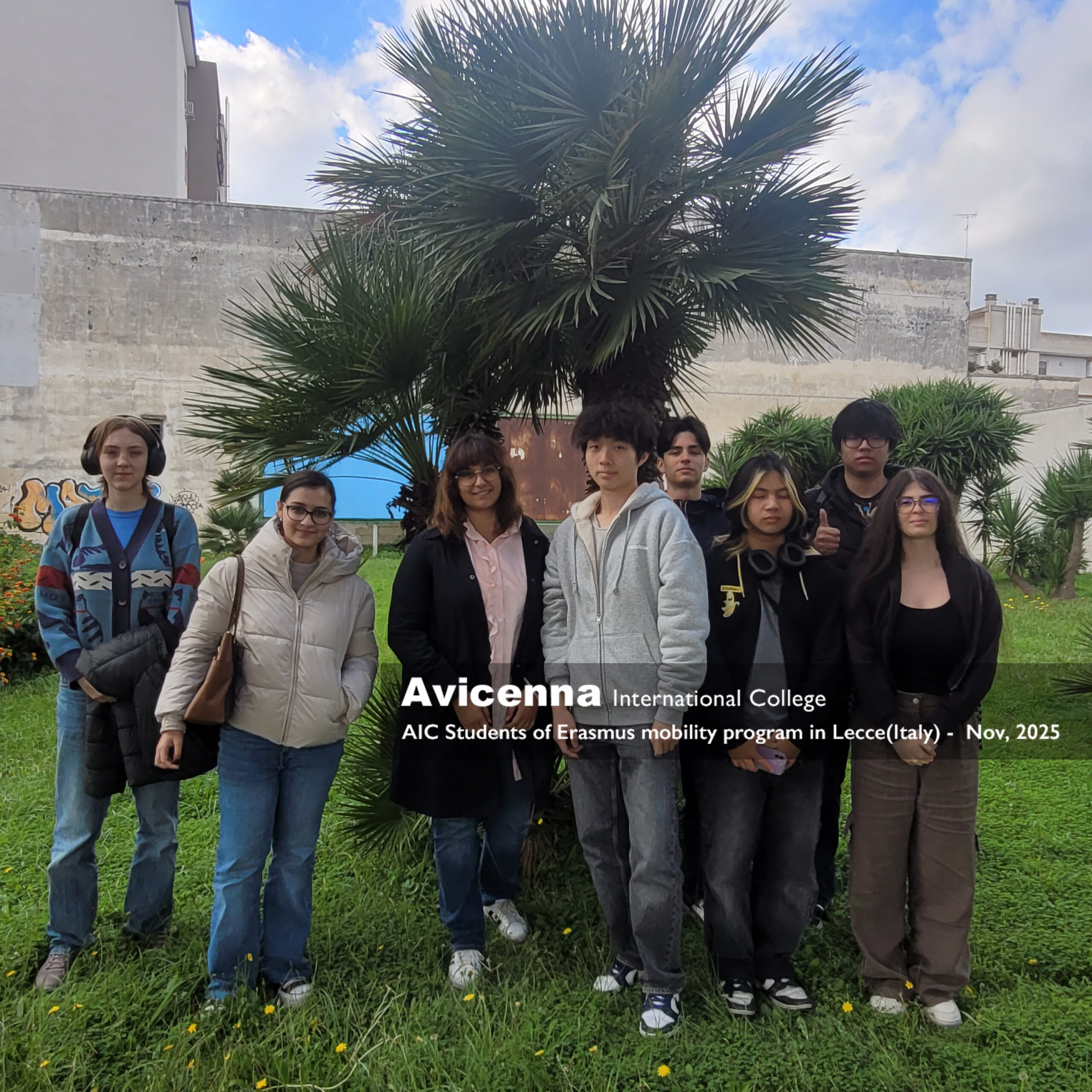
On Sunday, the group enjoyed a quiet final morning in Lecce. We took a short walk through the old town and sat out in the lavish green and flowering park before the bad weather hit us, stopping for a last Italian lunch and coffee at a local restaurant and bar before heading to Bari for our thundery late evening flight. Though the rain prevented further sightseeing, the students agreed that the week of 8 days including travel, had been one of the best experiences of their school life. They had learned new scientific methods, made local friends, and discovered the meaning of European cooperation and sustainability in practice.

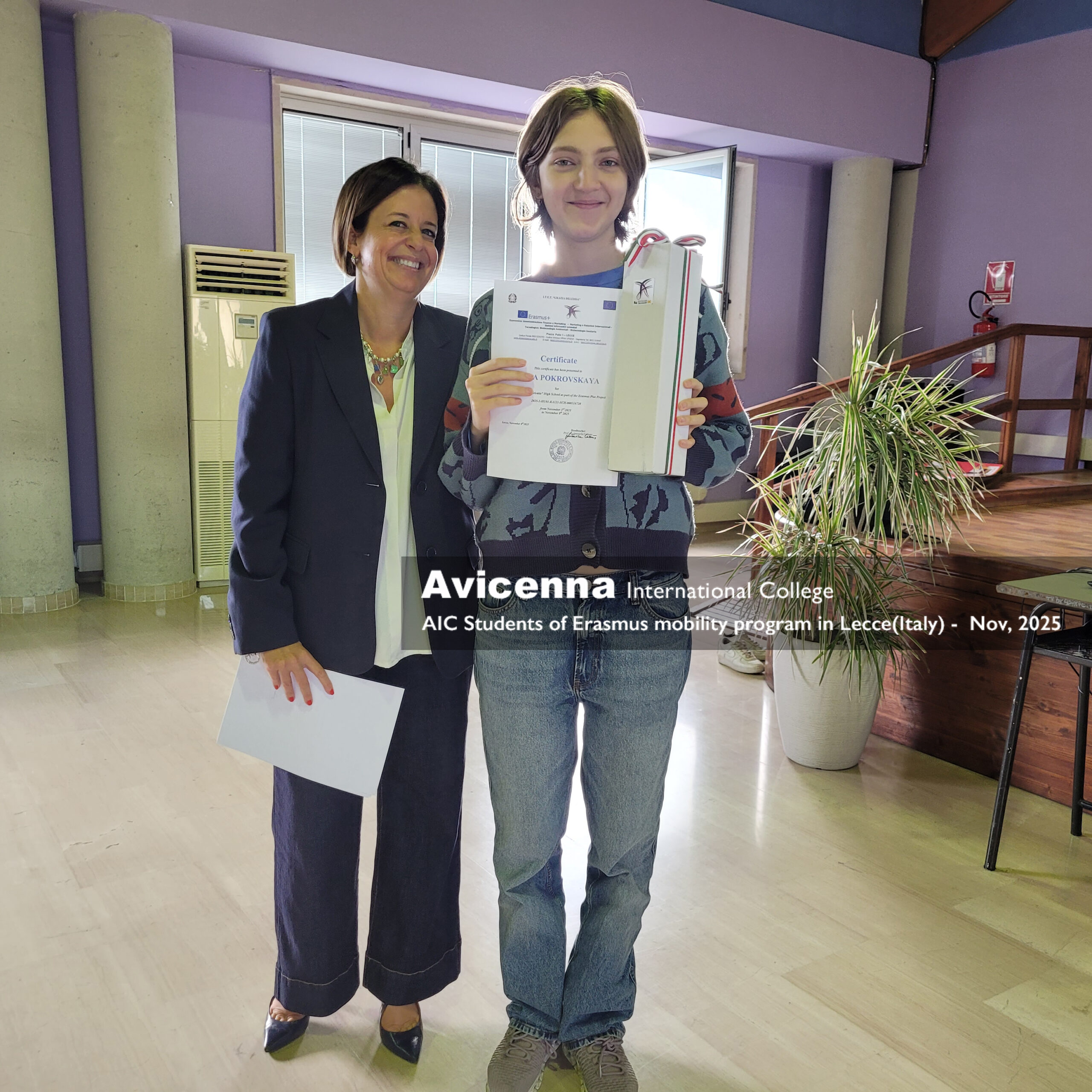
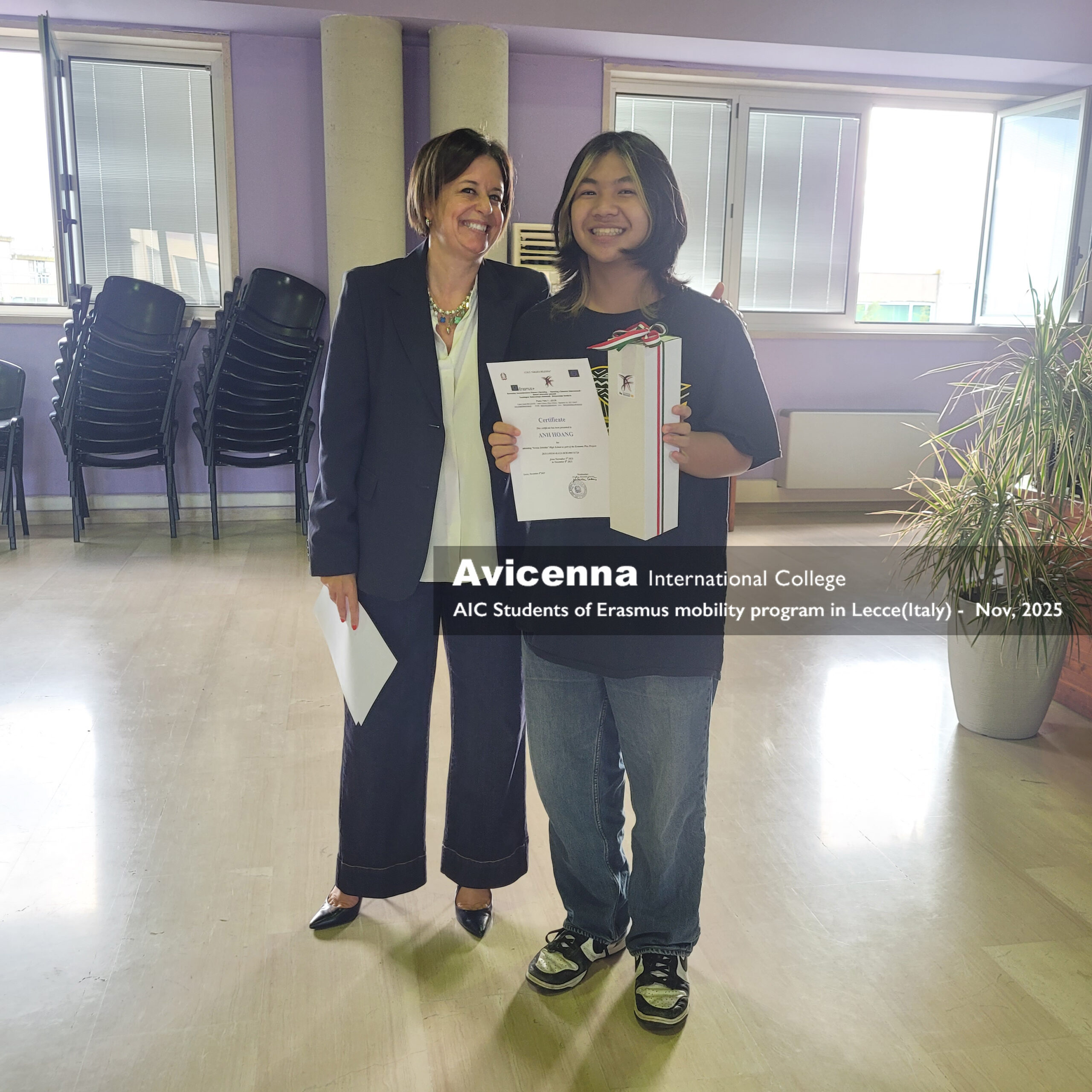
The Erasmus+ mobility in Lecce was a transformative and enriching experience for all participants. It successfully combined academic excellence, environmental awareness, and cultural appreciation. The collaboration between Avicenna International College and Istituto Deledda proved that education goes far beyond the classroom- it is about human connection, shared knowledge, and mutual respect. The students returned home with inspiration, new skills, and unforgettable memories.
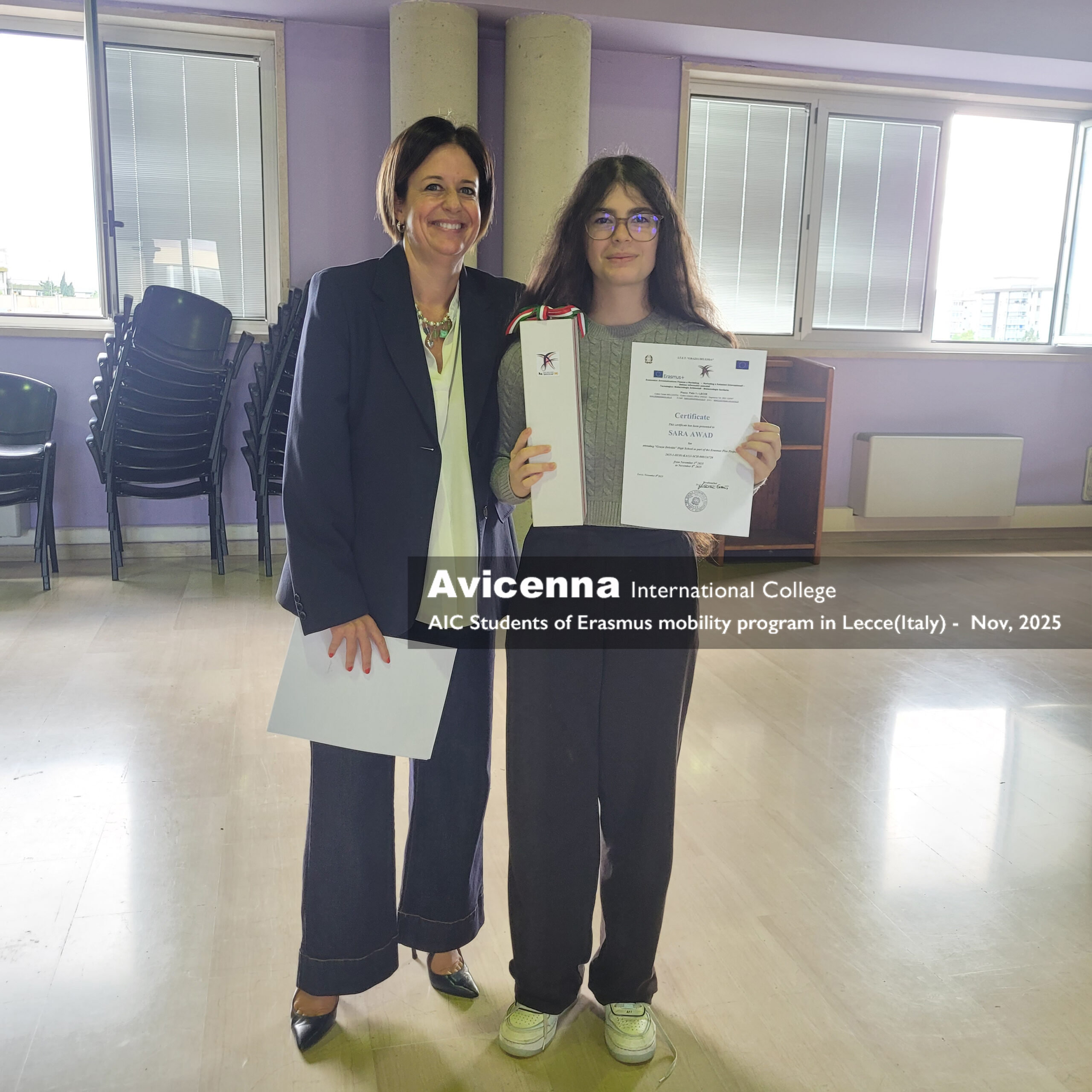

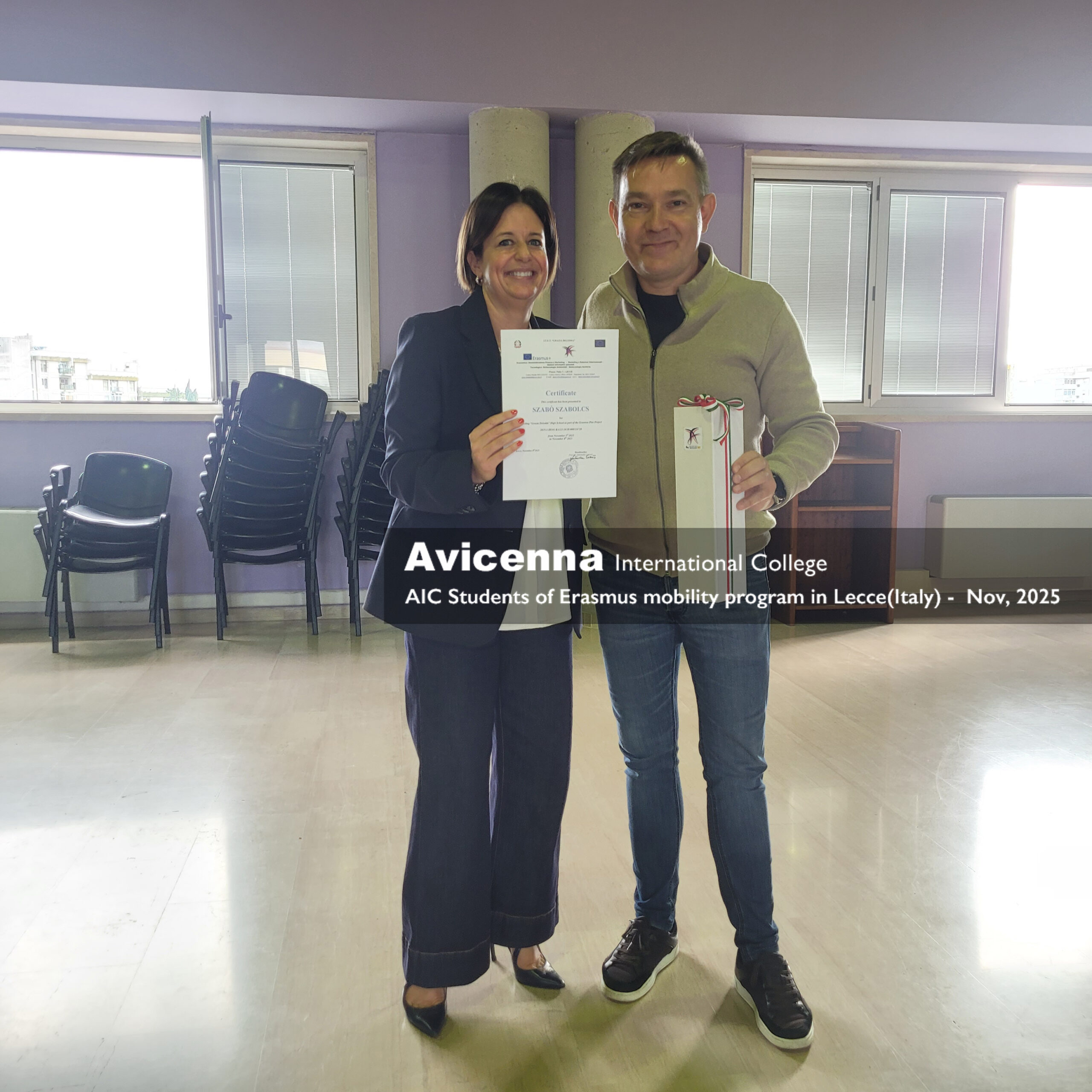
Special thanks go to Istituto Deledda, the European Commission, and the Erasmus+ Programme for supporting this opportunity. As the students said at the farewell: “We will come back surely- and in March they will come to us for a week of exchange in Budapest.”
28. Nov. 2025
written by: Steve Szabó