

Written and organised by Steve Szabó
During last week’s Master Class at Avicenna IC High College, our Grade 10 students were given the stage, and with it, the opportunity to bring their heritage into the heart of the classroom. As part of our ongoing cultural exchange series, this session focused on the Lunar New Year, first through the eyes of our Chinese students and then through the traditions shared by our Vietnamese students. What unfolded was far more than a set of presentations; it was a genuine celebration of identity, memory, and belonging.
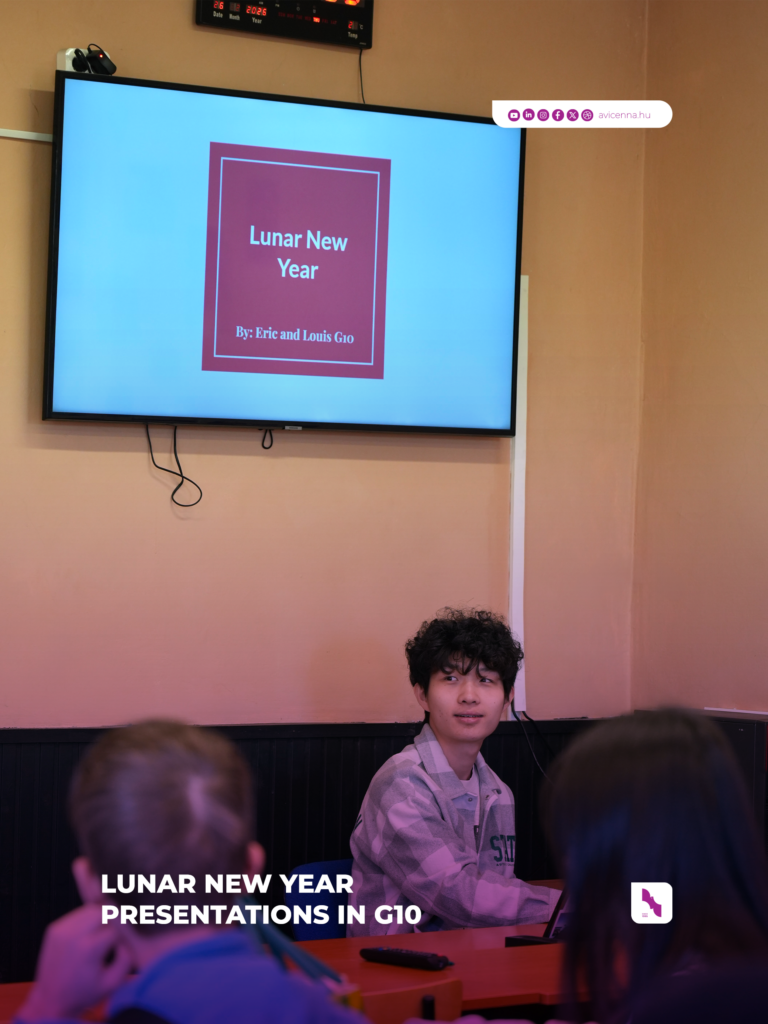
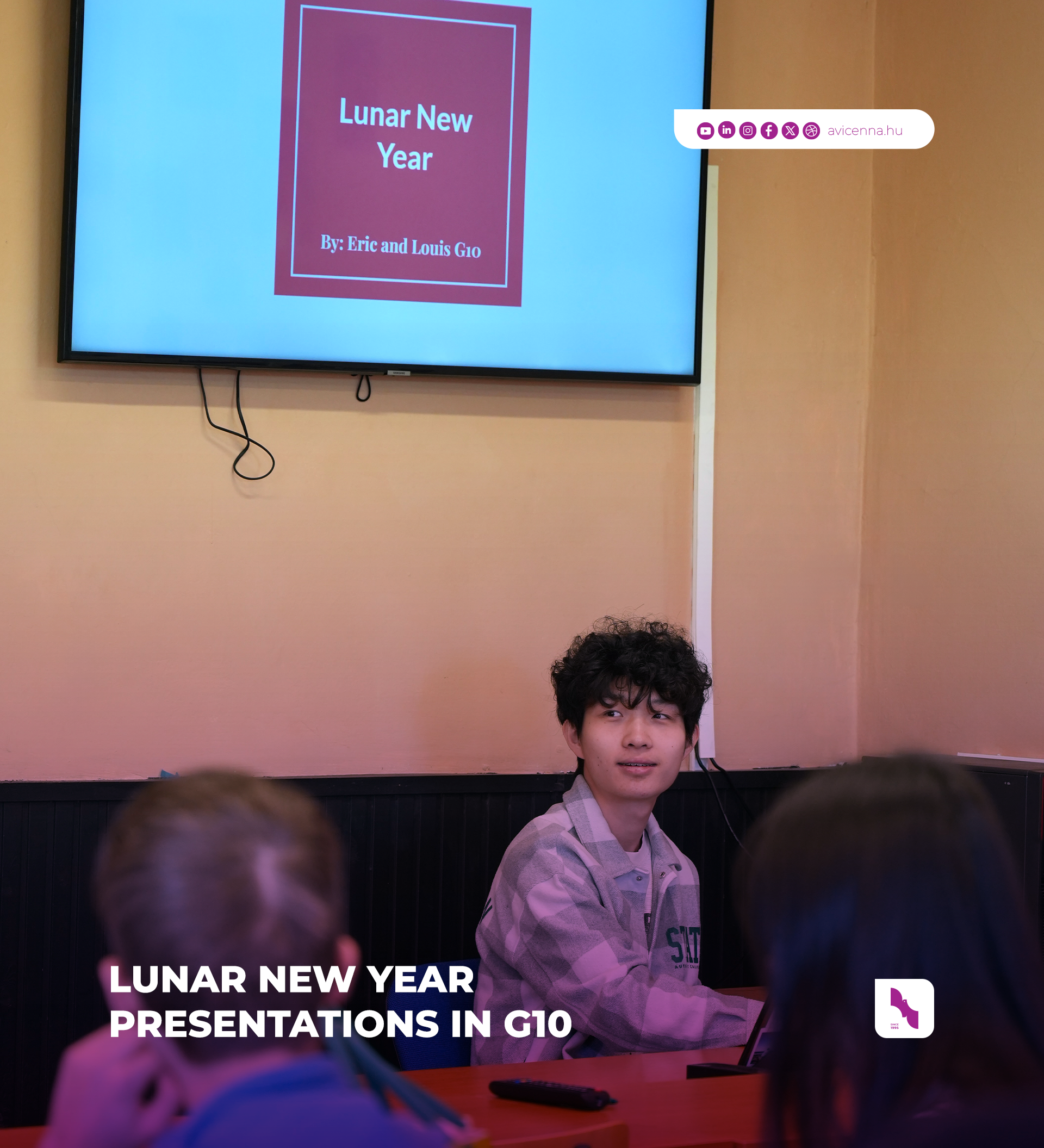
Eric, a Chinese student opened the program with a thoughtful and visually rich introduction to the Spring Festival. He explained how the Lunar New Year marks not just the beginning of a calendar cycle, but a time of reunion and renewal. Family, as he emphasized, is central to the celebration. They described the annual migration across cities and provinces as millions travel home for reunion dinners, a tradition that instantly resonated with many classmates who share similar experiences during major holidays.
He spoke about red envelopes, or hóngbāo, given for luck and prosperity, and explained why red is considered a symbol of happiness and protection. We have also heard about the legend of the monster Nián, whose fear of loud noises and bright colours gave rise to fireworks and red decorations. The slides were filled with lanterns, calligraphy, and images of dumplings carefully folded by hand.
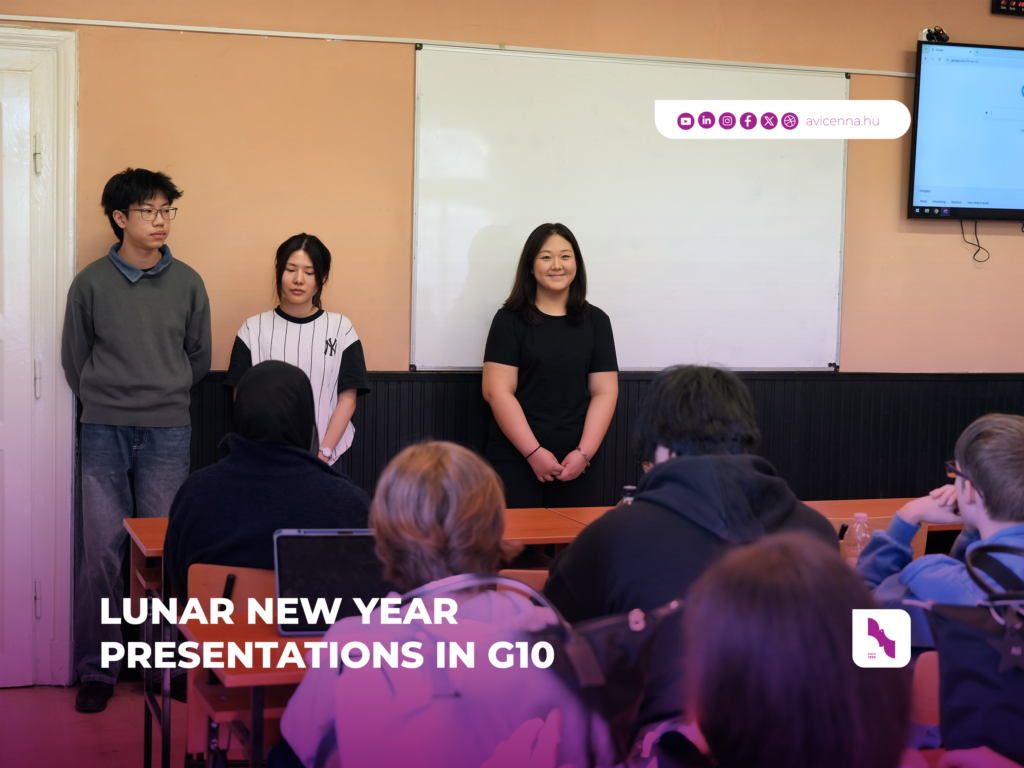
After a short transition, the Vietnamese students stepped forward to present Tết, Vietnam’s Lunar New Year celebration. While sharing similarities with the Chinese Spring Festival, Tết carries its own distinct customs and atmosphere. The students highlighted the importance of honoring ancestors, describing family altars adorned with flowers, fruit, and traditional foods. They spoke about visiting relatives and teachers to offer New Year wishes, a gesture that reflects deep cultural respect for elders and education.
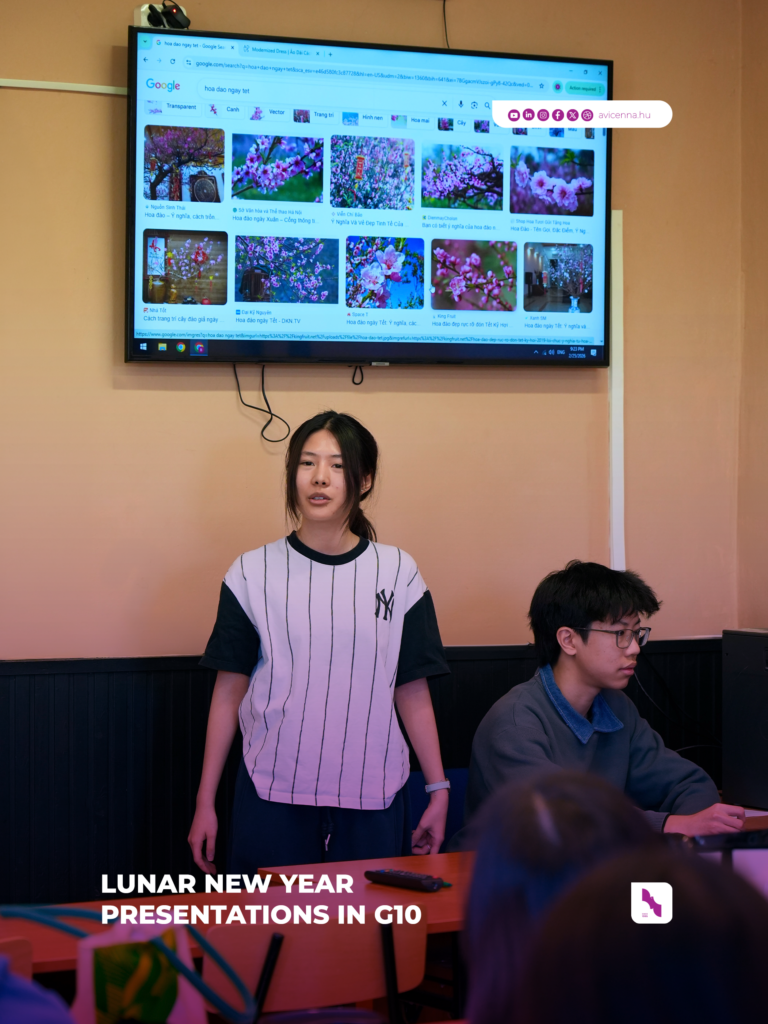
After a short transition, the Vietnamese students stepped forward to present Tết, Vietnam’s Lunar New Year celebration. While sharing similarities with the Chinese Spring Festival, Tết carries its own distinct customs and atmosphere. The students highlighted the importance of honoring ancestors, describing family altars adorned with flowers, fruit, and traditional foods. They spoke about visiting relatives and teachers to offer New Year wishes, a gesture that reflects deep cultural respect for elders and education.

Food again played a central role in their presentation. They introduced bánh chưng, the square sticky rice cake wrapped in banana leaves, symbolizing the Earth. One student explained how families often gather to prepare these cakes together, sometimes cooking them overnight, an experience that blends storytelling, patience, and tradition.
The Vietnamese group also touched on the zodiac, noting how interpretations and even some of the animals differ from the Chinese system. This sparked spontaneous curiosity and a flurry of whispered comparisons among classmates checking their birth years.
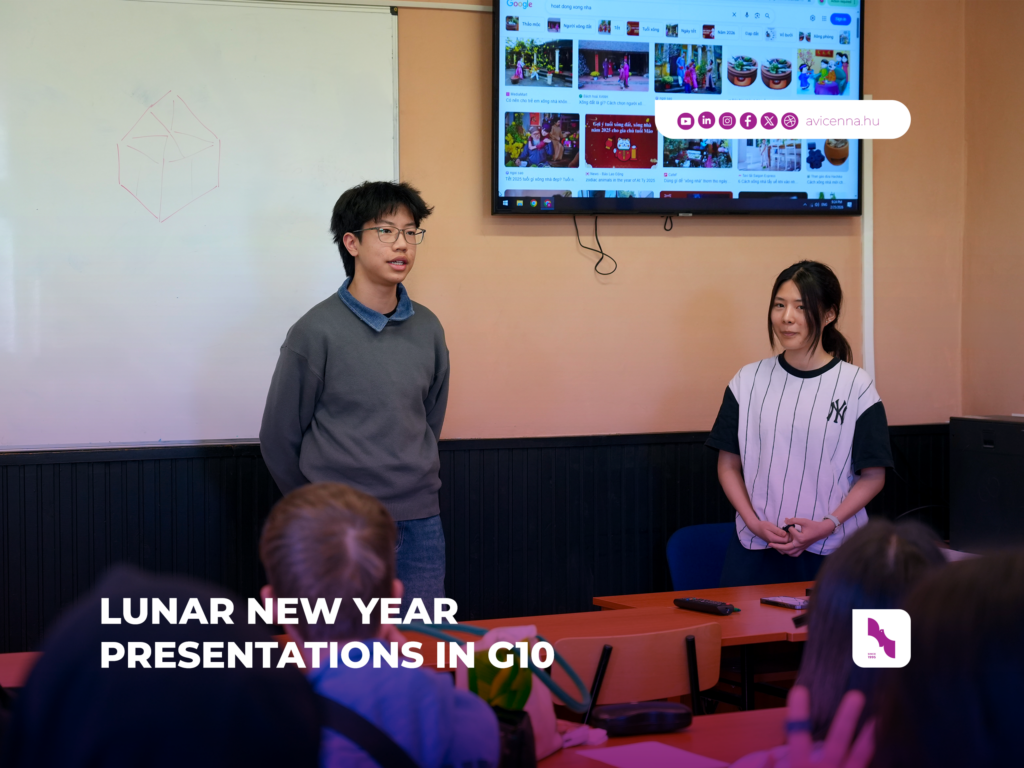
What made the Master Class especially meaningful was not just the information shared, but the pride and confidence with which it was delivered. Students who are sometimes quiet in everyday lessons spoke with assurance when discussing their own cultural backgrounds. Their peers listened attentively, asked thoughtful questions, and made connections to their own traditions.
In a school community as international as ours, diversity is visible every day. Yet moments like this allow students to move beyond coexistence toward genuine understanding. By creating space for cultural storytelling, we are not simply learning about holidays, we are learning about one another.
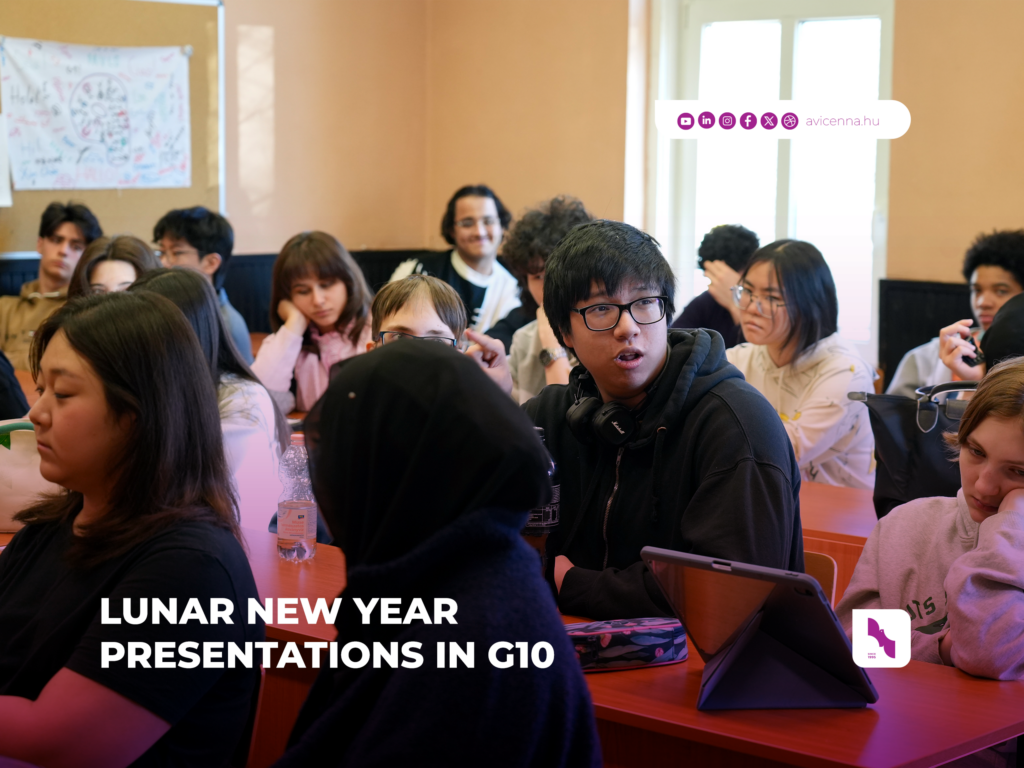
The Lunar New Year presentations reminded us that a classroom becomes richer when every voice is invited in. And perhaps the greatest lesson of the Master Class was this: when students are empowered to share who they are, everyone learns something.
Written and organised by Steve Szabó
04th March 2026