
Written by: Panahi Abdorreza
Erasmus+ Job Shadowing Report
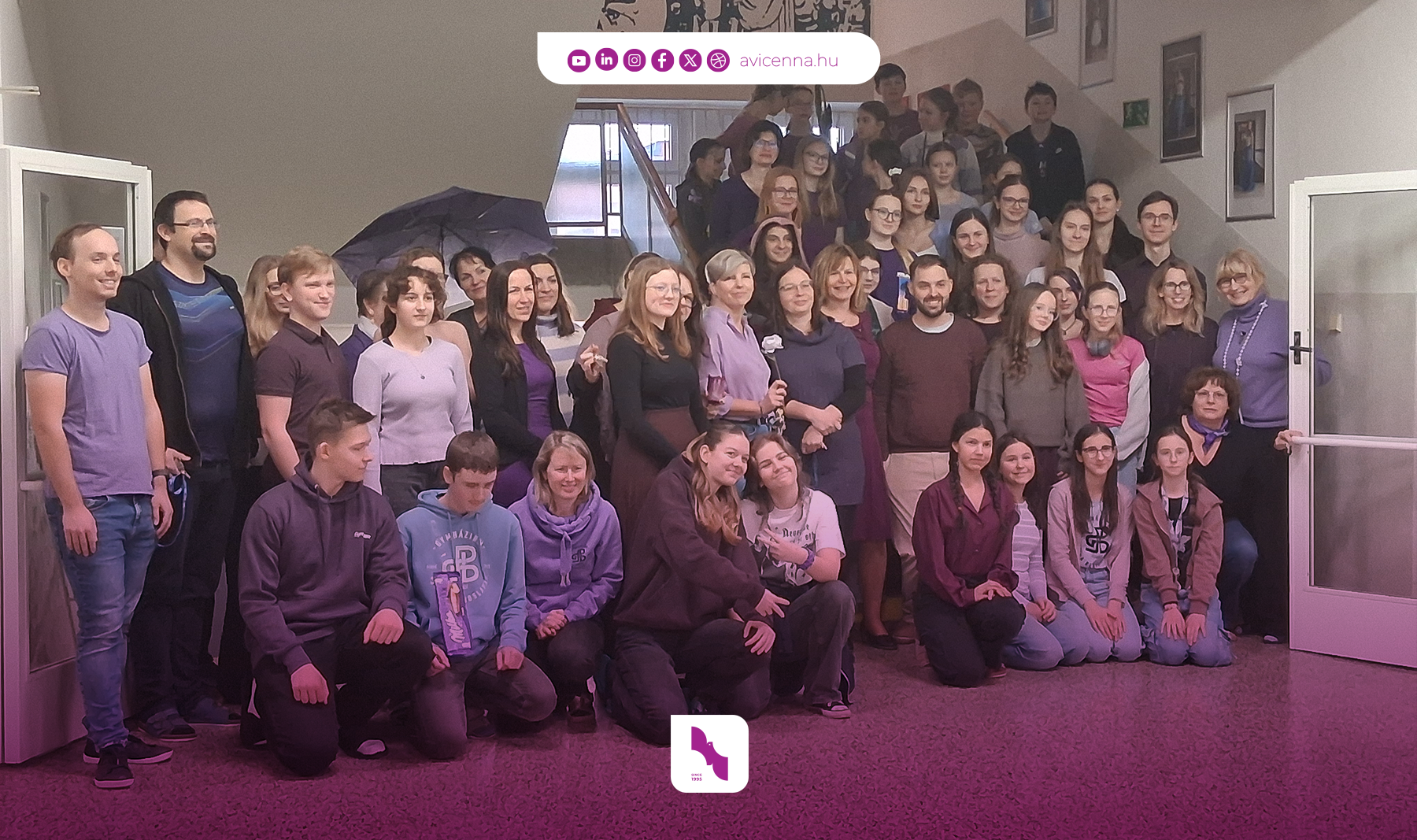
The following report outlines the activities and insights gained during a five-day Erasmus+ job shadowing mobility to Gymnázium Jana Blahoslava Ivančice, Czech Republic (February 2nd – February 6th, 2026). The primary goal of this visit was to observe European teaching methodologies, explore the integration of group-based learning, and strengthen the institutional ties between the Avicenna International College (AIC) and Gymnázium Jana Blahoslava Ivančice.
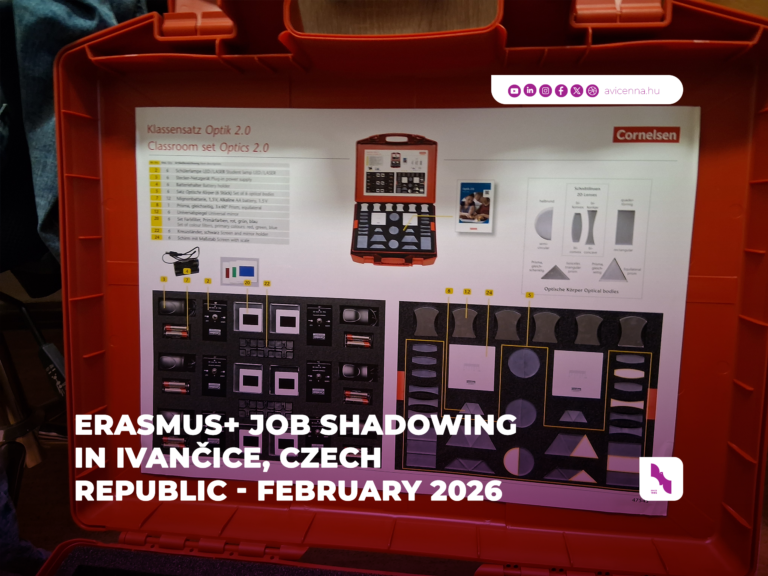
During my visit, I joined two IT classes, one database management in Access and the other one, programming microbits in python. Students worked with Microsoft Access, focusing on relational data structures. The emphasis was on the logic of data architecture, ensuring students understand how information is stored and retrieved in professional environments. In the other IT class, the class utilized Python to program Microbits.
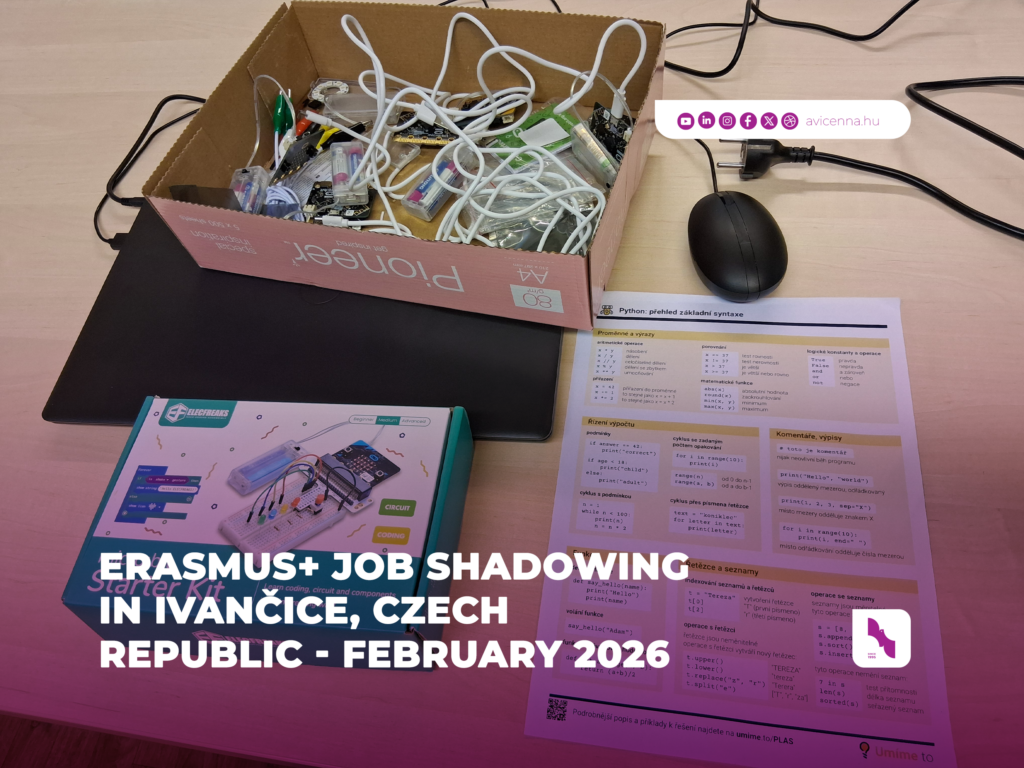
The instructor utilized Group Work, which transformed the coding process into a collaborative “debug-and-solve” session. By using Python (a high-level, professional language) rather than block-based coding, the school prepares students for real-world software development challenges.
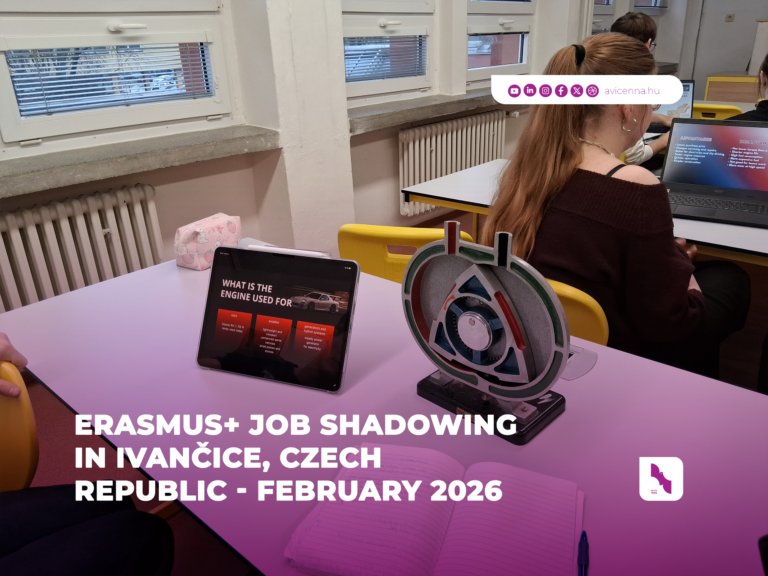
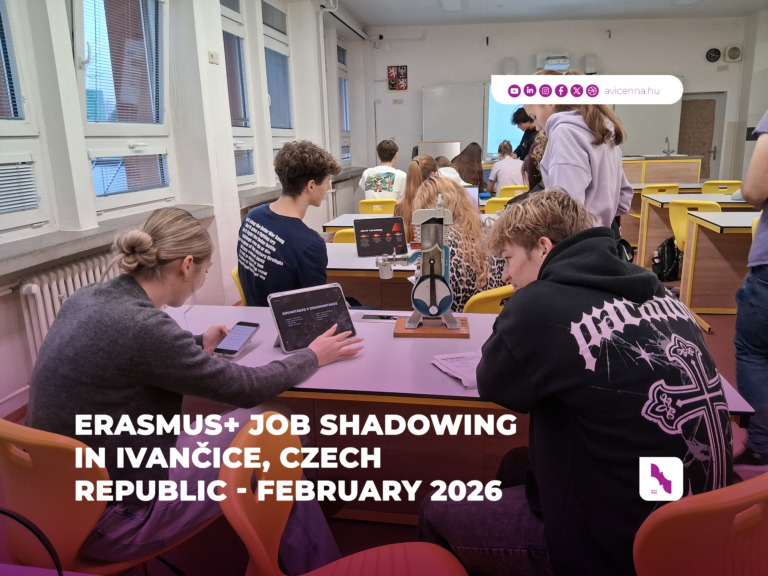
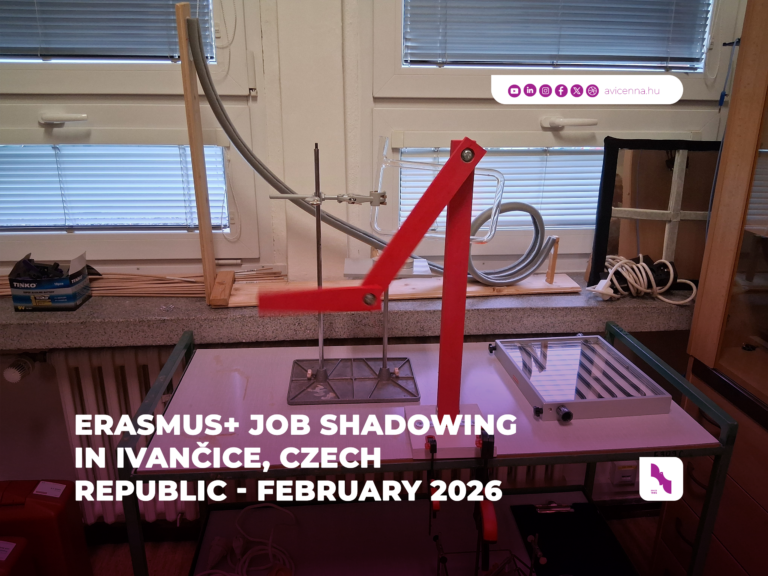
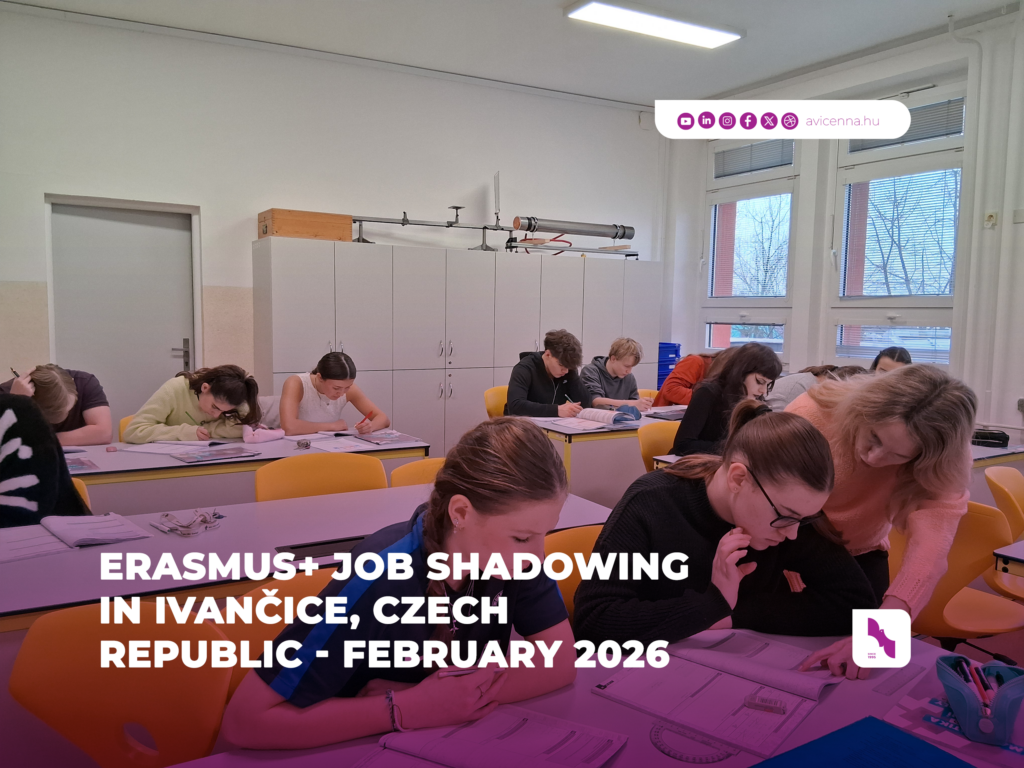
In the Physics classes that I visited, the following were impressive in their preparation to a group presentation, and the presentation itself in the following day. The Physics lesson on engine types was a standout example of active learning. Instead of a traditional lecture, the class utilized a rotation-based presentation model. Seven groups were formed, each specializing in a specific engine type (e.g., internal combustion, electric, steam). One member stayed to present for 3 minutes, while the other two members rotated to listen to other groups. Each rotation included a 2-minute Q&A session. This format happened over 6 rounds. It forced students to synthesize information quickly, practice public speaking, and engage in critical thinking through questioning. It effectively decentralized the teacher’s role, making students the primary sources of knowledge.
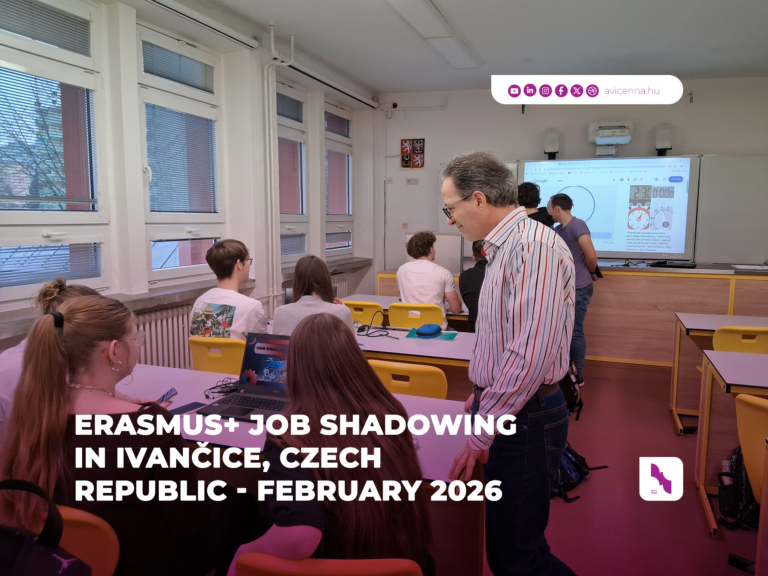
In my visit to Mathematics lessons with two different teachers, the Mathematics sessions focused on the analysis of quadratic functions, specifically looking at the standard form. Students were tasked with identifying: The Vertex, Intercepts, and Graphical Representation. Exercises were written on the front of a mobile whiteboard, while the solutions were hidden on the back. Groups worked independently, and once they reached a
milestone, they checked their own work against the teacher’s hidden answers. This facilitated a continuous flow of learning where the teacher acted as a facilitator rather than a gatekeeper, allowing faster groups to progress without waiting for the whole class.
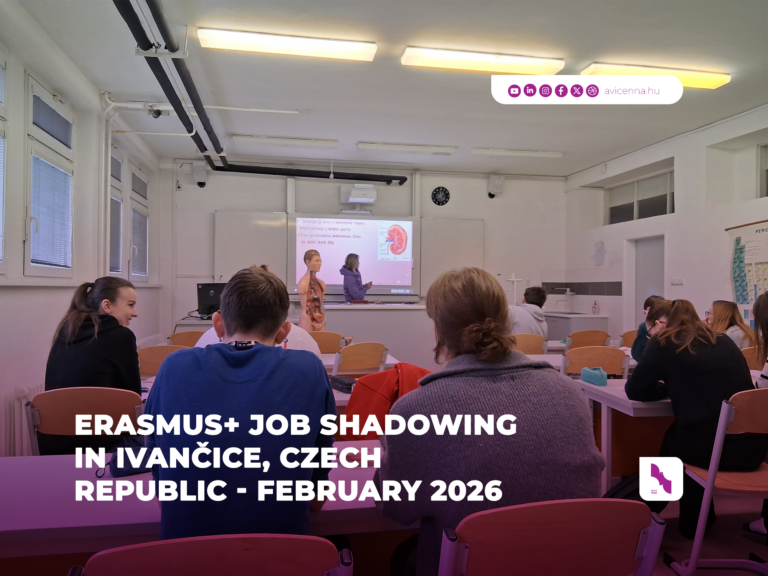
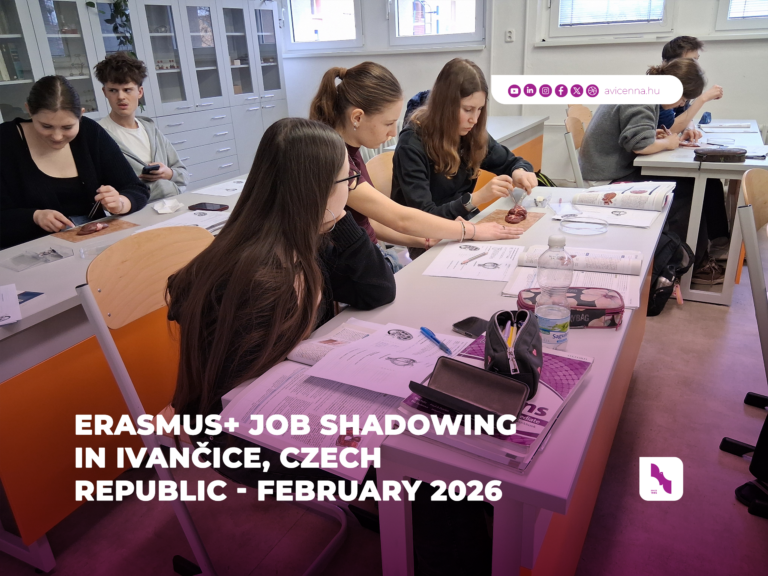
In the last day of my job shadowing activity, I joined a science lesson. The session began with a detailed introduction to the renal system and the physiological functions of the kidney. Students moved into group work involving the dissection of an animal kidney. Following the macro-dissection, students prepared slides to observe the internal structures under a microscope. This hands-on approach bridged the gap between abstract textbook diagrams and biological reality. Participating in these activities alongside the students allowed for a direct observation of their engagement levels and the precision required in their laboratory notes.
Beyond the classroom, a significant portion of the mobility was dedicated to institutional management and the cultural programs. I met with the Principal and the Erasmus Coordinator of the host school. We discussed the logistics of European mobility, the impact of Erasmus+ funds on school infrastructure, and future project opportunities. The host Erasmus coordinator was instrumental in the success of this visit. Their role in crafting an efficient schedule allowed for a multi-disciplinary overview in a short time frame.
Furthermore, their assistance with accommodation and logistical planning ensured that the focus remained entirely on pedagogical exchange. I participated in the school’s Wellness Day program, which highlighted the institution’s commitment to the mental and physical health of its staff and students. Visits to cultural and historic sites in the Ivančice region provided essential context. Understanding the local history and the environment in which these students grow up offered a deeper appreciation for the school’s community-centric approach.
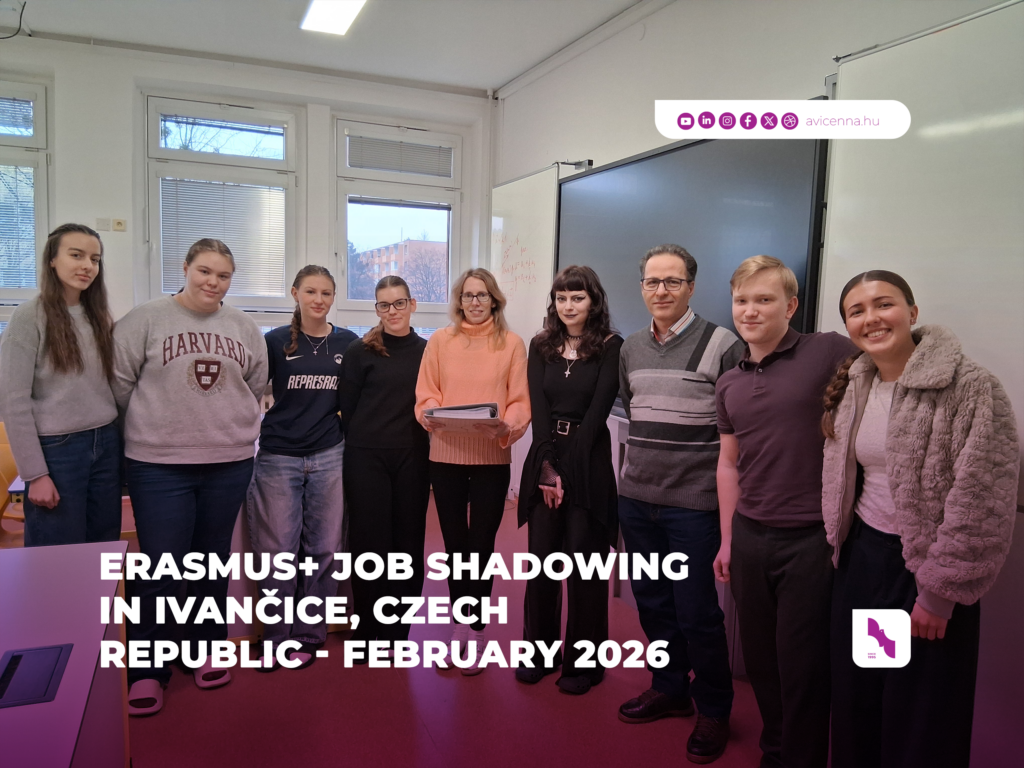
The job shadowing at Gymnázium Jana Blahoslava Ivančice was an enlightening experience. The school successfully integrates high-level academic rigor (Physics/Math) with practical, hands-on application (IT/Science). The use of group work and self-checking mechanisms fosters a sense of autonomy and responsibility in the students that is highly commendable.
The hospitality and professional transparency of the host school have provided me with numerous strategies that I look forward to sharing with my colleagues at AIC.
I would like to extend my sincere gratitude to the Principal and Erasmus Coordinator of the AIC and the Principal and Erasmus Coordinator of the host School for their support and for making this opportunity possible.
Written by: Panahi Abdorreza