

Professional Reflections on an Erasmus+ Job Shadowing Experience in Bergamo
Written By: Igor Ubeda Montenegro
20th February 2026
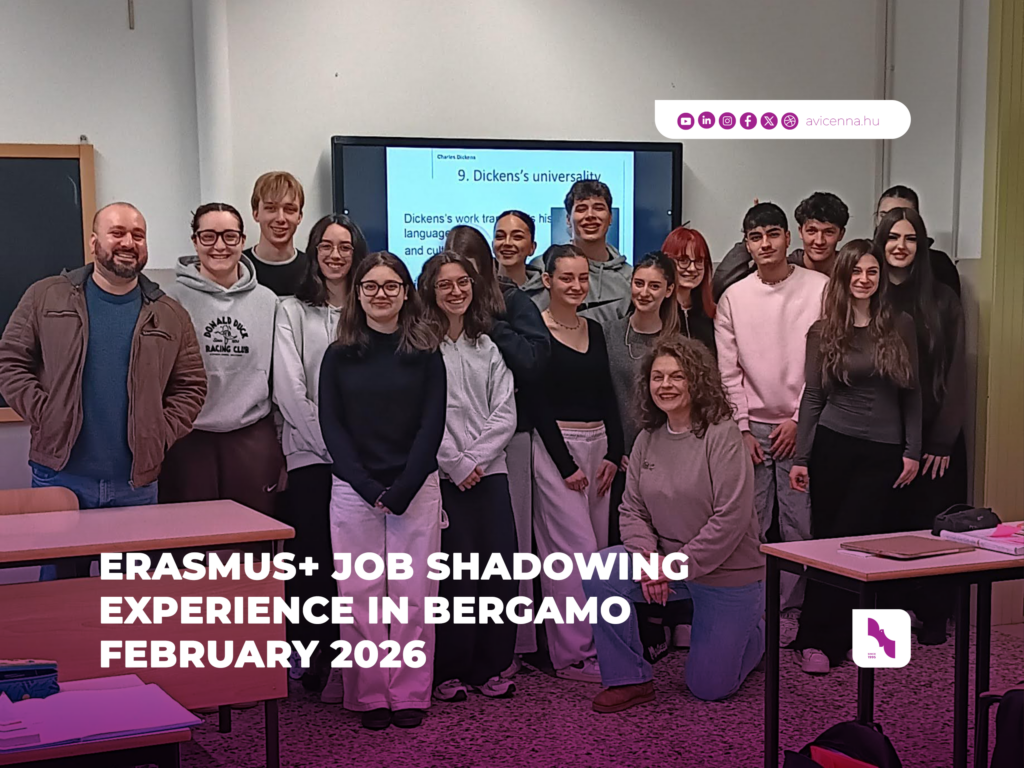
From 8 to 15 February 2026, within the framework of Erasmus+ mobility, I participated in a five-day job shadowing experience at Liceo Linguistico Giovanni Falcone in Bergamo, Italy. As a teacher of Spanish and English at Avicenna International College Bilingual High School, the primary objective of this mobility was to observe language teaching methodologies and multilingual practices in a high school where language learning is central to the institutional identity.
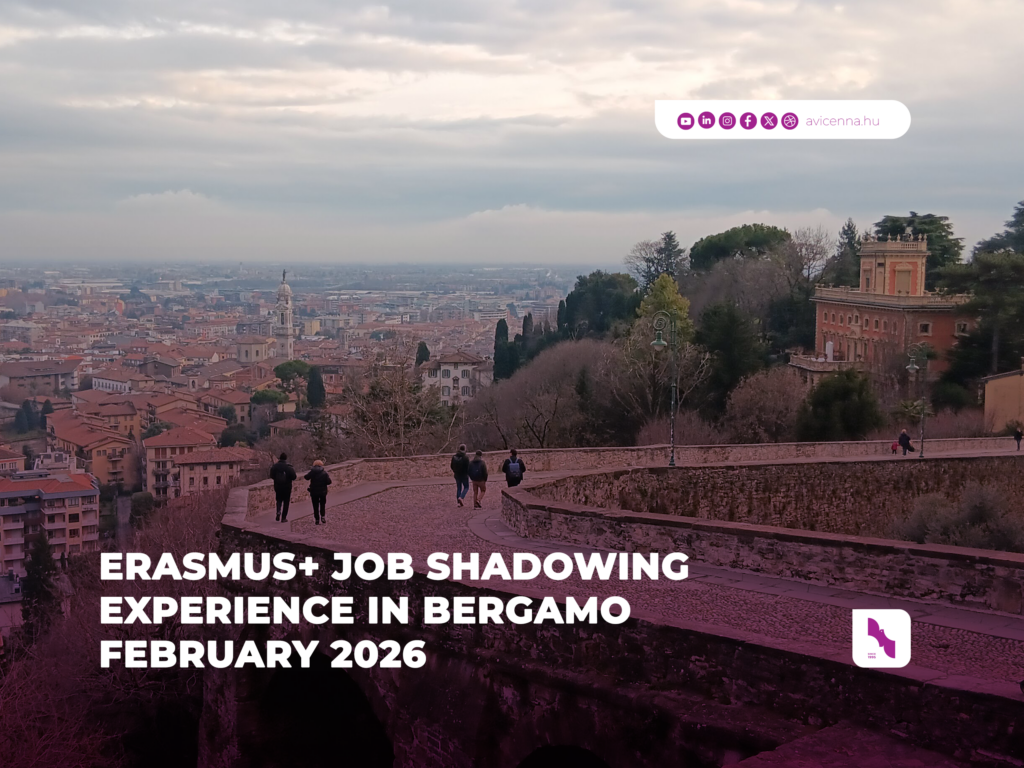
My first impression of Bergamo was that it felt different from other Italian regions I had previously visited, such as Sicily or Trieste. The contrast between Città Bassa (the lower city) and Città Alta (the historic upper town) creates a harmony between past and present. Exploring everyday settings, from supermarkets to local streets, offered insight into the social environment that shapes locals’ cultural perspectives. This cultural immersion complemented the pedagogical focus of the mobility.
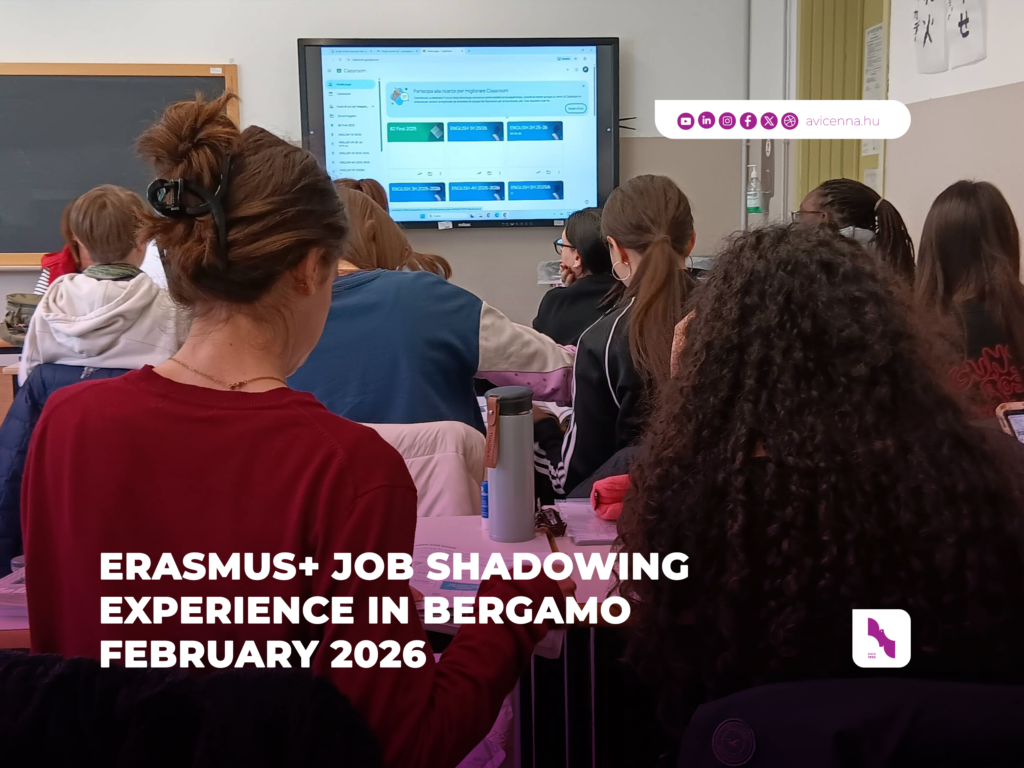
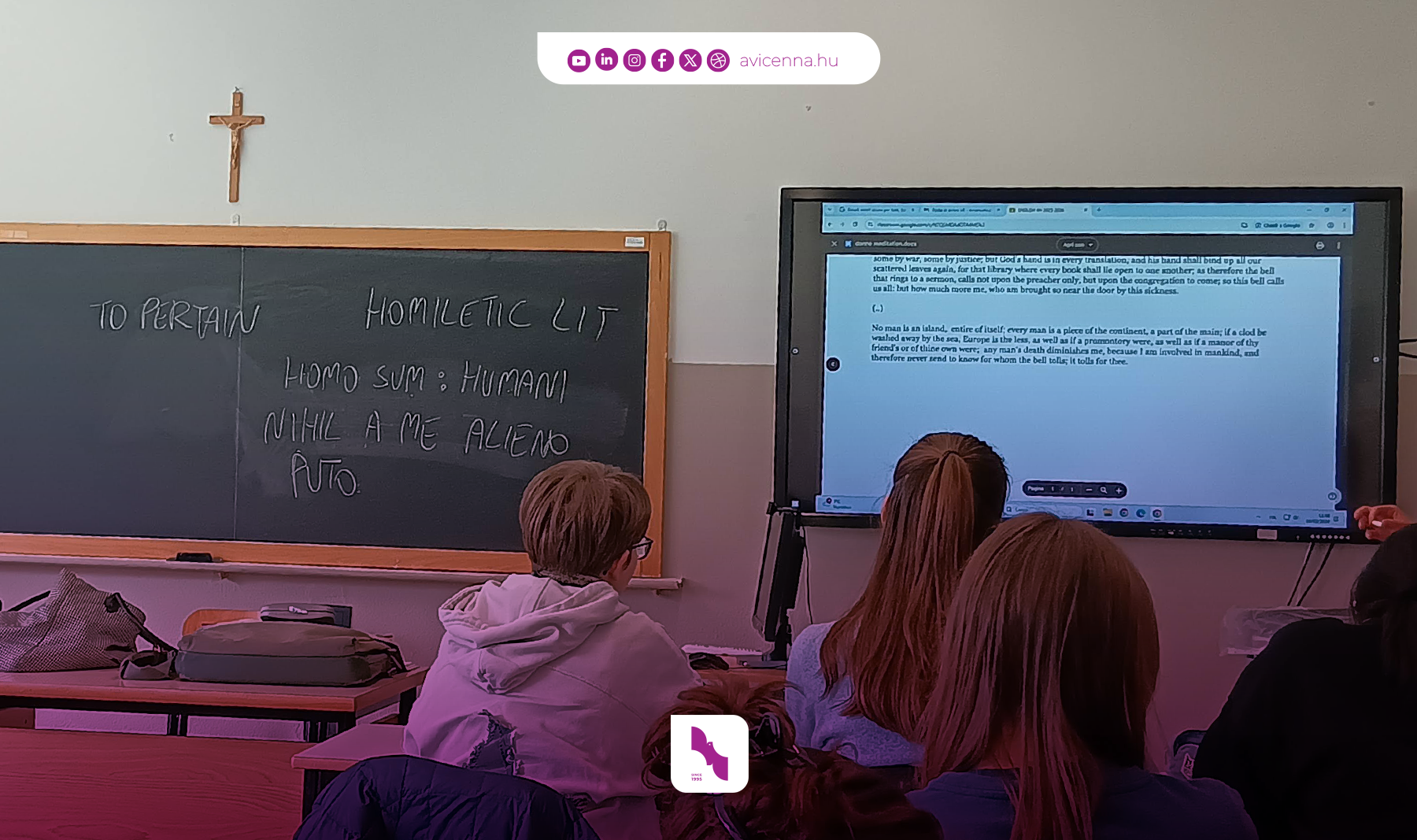
Liceo Falcone operates across three campuses, an organizational feature that immediately stood out. Despite the physical separation, the school functions cohesively. Both campuses I visited are well equipped, with modern classrooms that include touchscreen TVs connected to computers. Teachers accessed digital textbooks, interactive platforms, and multimedia resources directly from these devices, integrating technology seamlessly into daily instruction. The smaller campus also included facilities such as an impressive indoor physical education gym.
Throughout the week, I observed English classes across all secondary school age groups. I also attended one Spanish lesson and, on the final day, a Mandarin Chinese lesson. Observing Mandarin was particularly valuable. As a learner of Mandarin myself, I was able to detach from content familiarity and focus entirely on instructional mechanics. This shift allowed me to analyze scaffolding strategies, visual reinforcement, repetition cycles, and gesture-supported explanations without relying on linguistic intuition.
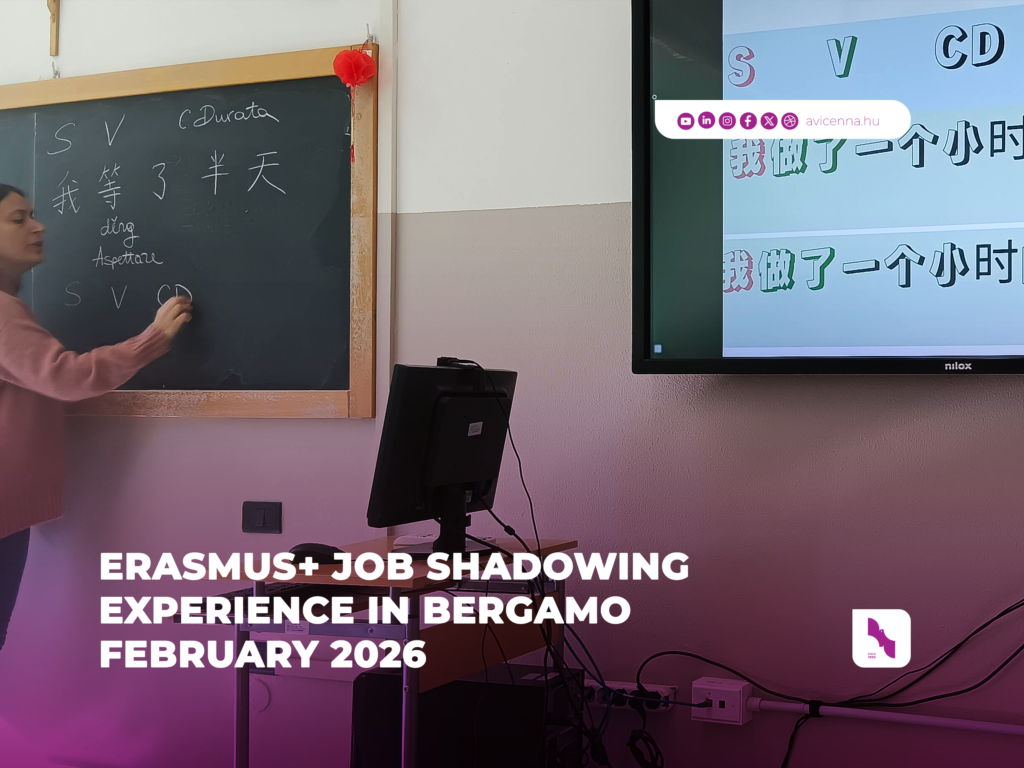
A distinctive feature of Liceo Falcone is that each language subject includes a separate conversation class led by a certified first-language speaker of the target language. This dual-teacher model provides students with sustained exposure to authentic pronunciation, cultural nuance, and spontaneous interaction. Furthermore, at higher levels, the English lessons shift from communicative language learning to English literature.
The student body appeared academically focused and generally well behaved. I did not observe the need for overt classroom management strategies. Instead, what emerged was a culture of familiarity and mutual understanding between teachers and students. Certain informal exchanges reflected local communication norms that differ from those typically observed in Hungary. These interactions did not disrupt classroom harmony. On the contrary, they portrayed the cultural expectations of Italian classrooms.
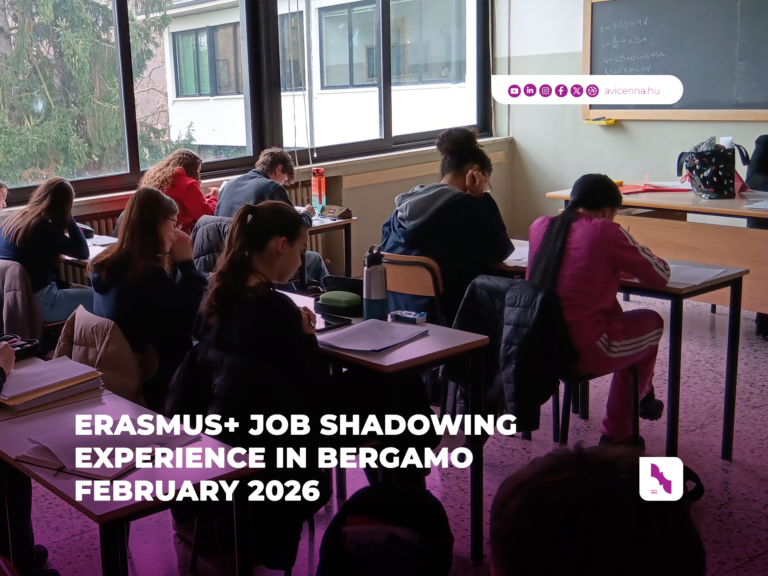
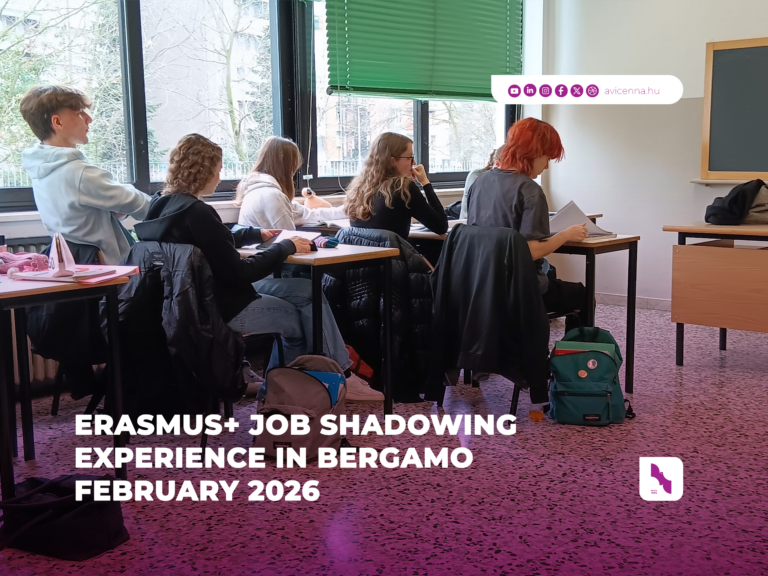
In several lessons, I had the opportunity to interact directly with students, exchanging questions in English and Spanish, and briefly in Mandarin. These moments reinforced the value of authentic communicative situations in language acquisition. Students demonstrated confidence in oral production, not during conversation-focused sessions but also in literary discussions.
Digital integration was consistent across observations. Technology was not presented as innovation for its own sake; rather, it functioned as a practical instructional extension. Teachers projected exercises, accessed listening materials, and navigated digital textbooks fluidly. The pedagogical emphasis remained on comprehension, interaction, and structured progression.
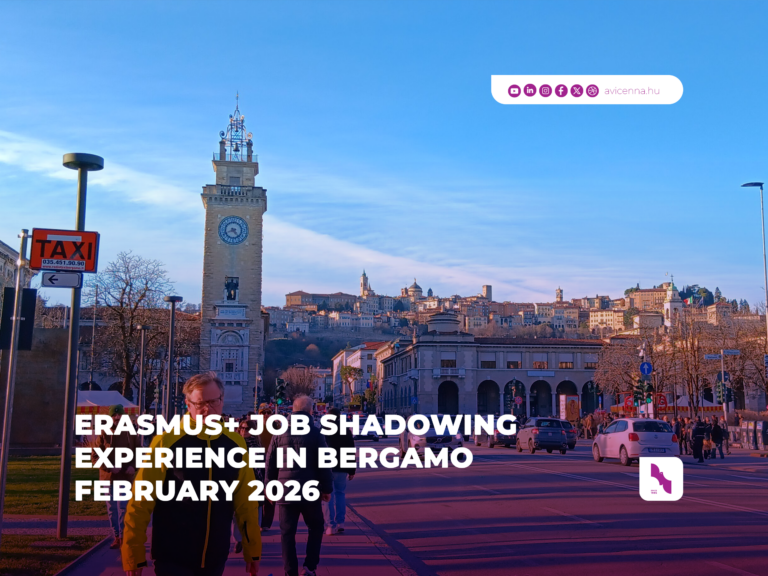
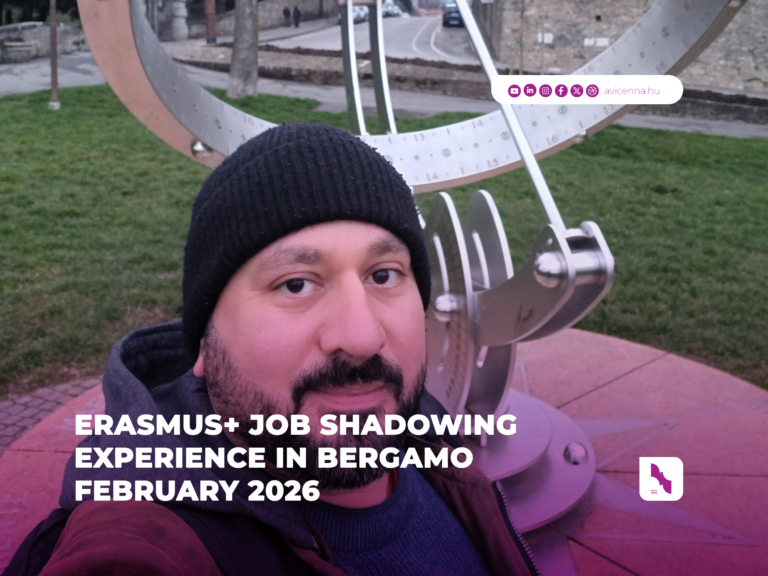
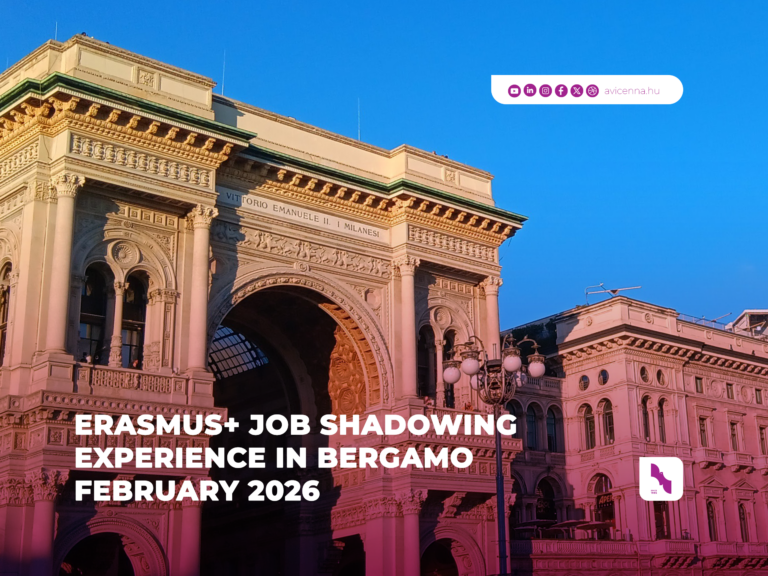
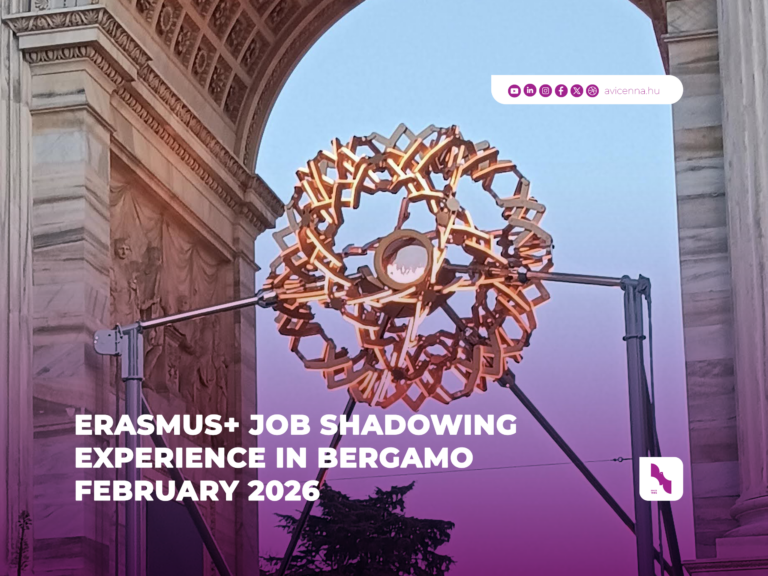
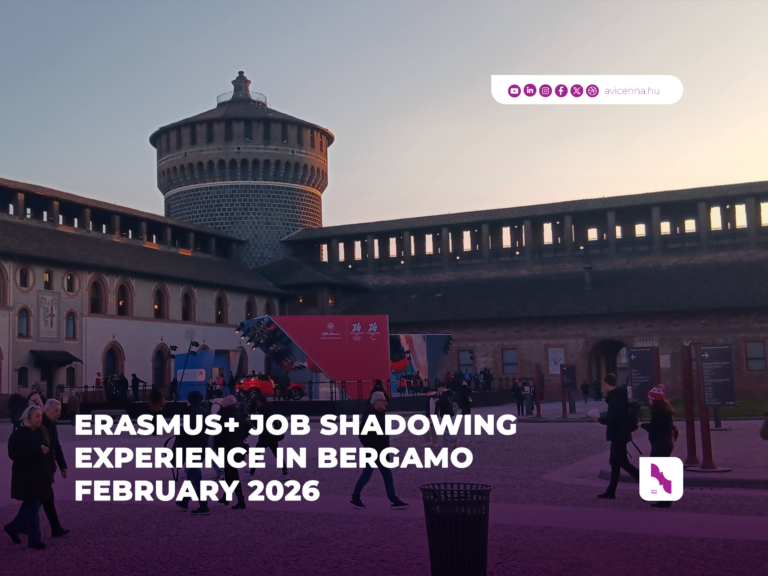
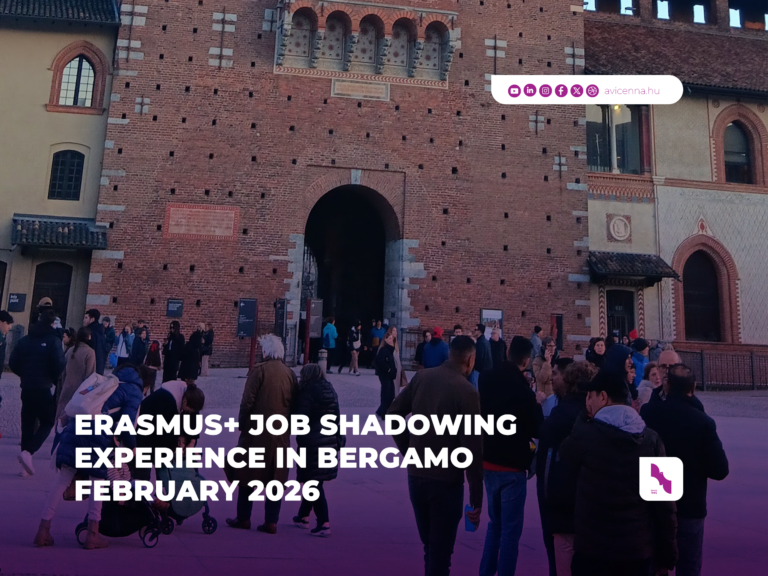
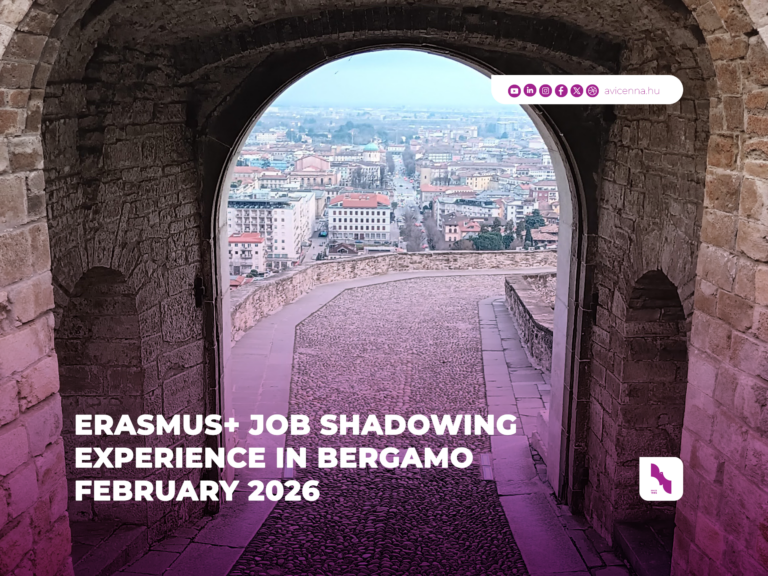
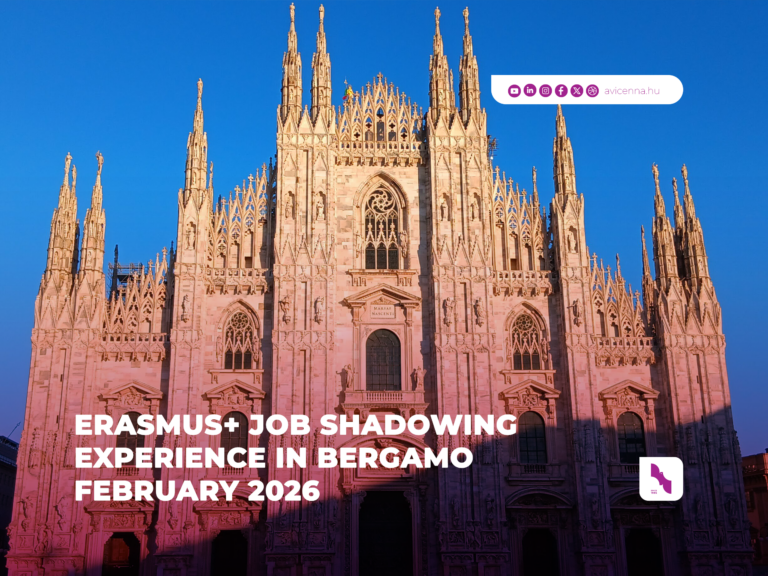
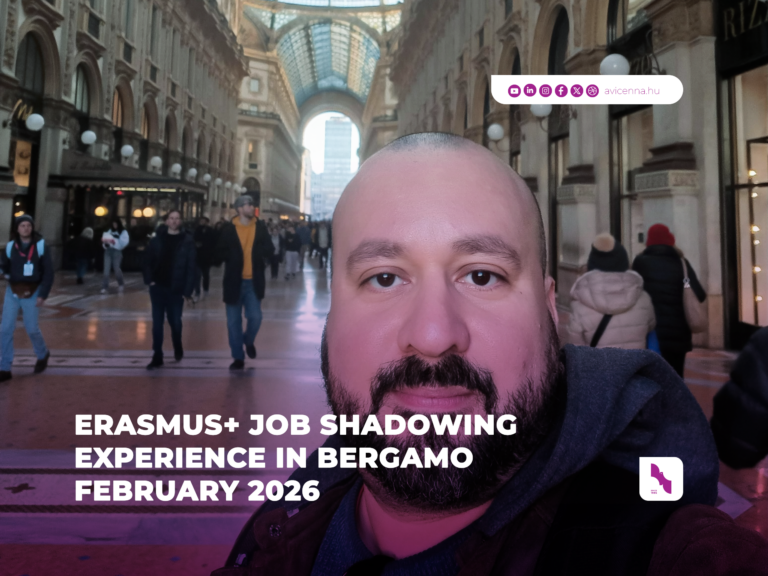
Beyond the classroom, cultural exploration enriched the professional experience. Walking along the Venetian walls of Città Alta, riding the funiculars, and observing the cityscape against the Alps provided spatial awareness of the region. A visit to Milan coincided with the Winter Olympics. Moving from the Galleria Vittorio Emanuele II, the Milan Duomo and the Castello Sforzesco toward the Arch of Peace, I observed the stunning architectural heritage and the temporary Olympic structures, including sponsor installations and the Olympic flame in the Arch. A weekend visit to Verona, with its Old Town (including Juliet’s House), Arena, castle, and medieval bridge provided a calming atmosphere after the train rides and confusion from the Bergamo train station’s renovations.
This job shadowing experience did not aim at radical pedagogical change. Rather, it offered confirmation of shared European standards in language education and reaffirmed the value of institutional cooperation. Communicative competence, digital integration, and multilingual awareness emerged as common pillars across an effective language program.
Participation in this Erasmus+ mobility strengthened professional dialogue between AIC and Liceo Falcone. Such exchanges contribute not through dramatic transformation, but through careful observation, comparison, and reflection within a broader European educational framework. The experience functioned as a professional mirror, allowing me to situate my own teaching practice within a wider context and to reaffirm a shared commitment to quality, multilingual education, cooperation and cultural awareness.
Written By: Igor Ubeda Montenegro
20th February 2026