
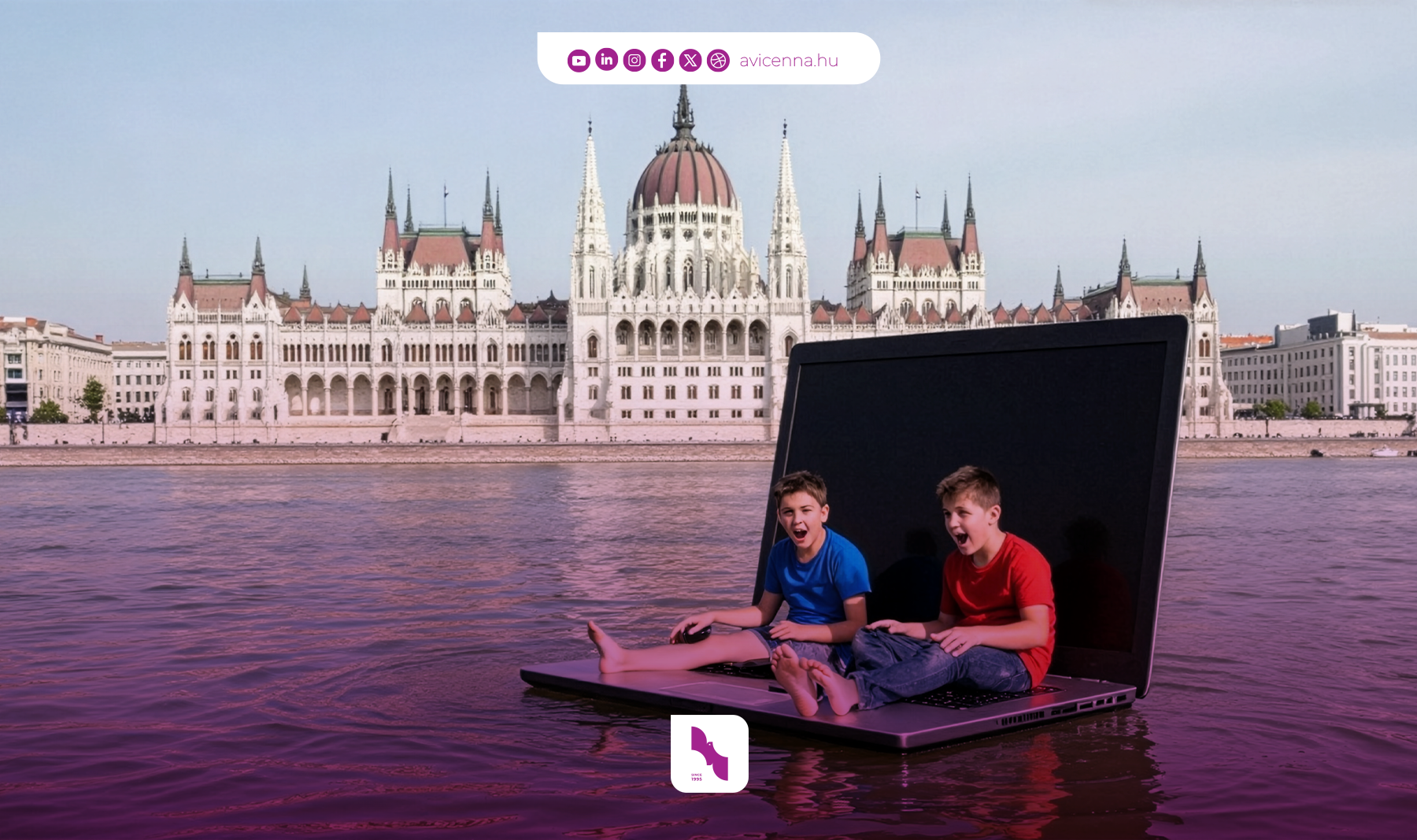

Honoring a 30-Year Legacy While Shaping the Future of Learning
17th March 2026
By Dr. Hosseini Mohammad
Business Development Director, Avicenna International College
Summary
Rebranding an educational institution is a critical and important decision, it is not a superficial exercise. It is a process of alignment between identity, experience, and future direction. At Avicenna International College in Budapest, this process came at a meaningful moment. After three decades of academic activity and international presence, the college had already begun evolving internally. New approaches to learning, mentorship, and the integration of technology were shaping a different kind of educational environment.
However, the external image of the institution had not fully caught up with these changes. This created a gap between what Avicenna had become and how it was perceived.
The rebranding process was therefore not about reinvention. It was about clarification. It required careful attention to legacy, trust, and the expectations of students, parents, and academic partners. Every step had to respect the past while making the future visible.
This article reflects on that journey. It explores the challenges of rebranding a 30-year-old educational institution, the principles that guided the process, and the lessons that can be valuable for other schools and organizations navigating similar transformations.
Understanding the Weight of a 30-Year Institution
When working with a young brand, rebranding often feels like a creative opportunity. When working with a 30-year-old educational institution, it becomes something else entirely.
Avicenna International College was founded in 1995 and has since guided thousands of students toward university pathways across Europe and beyond. Over the years, it has built something that cannot be redesigned overnight. It has built trust.
That trust lives in many places. It lives in the memories of alumni. It lives in the expectations of families. It lives in the routines of teachers and the culture of the institution.
This is what makes rebranding in education fundamentally different. You are not starting from zero. You are working with something that already has meaning.
The responsibility is therefore not to change it, but to understand it deeply before making any move.
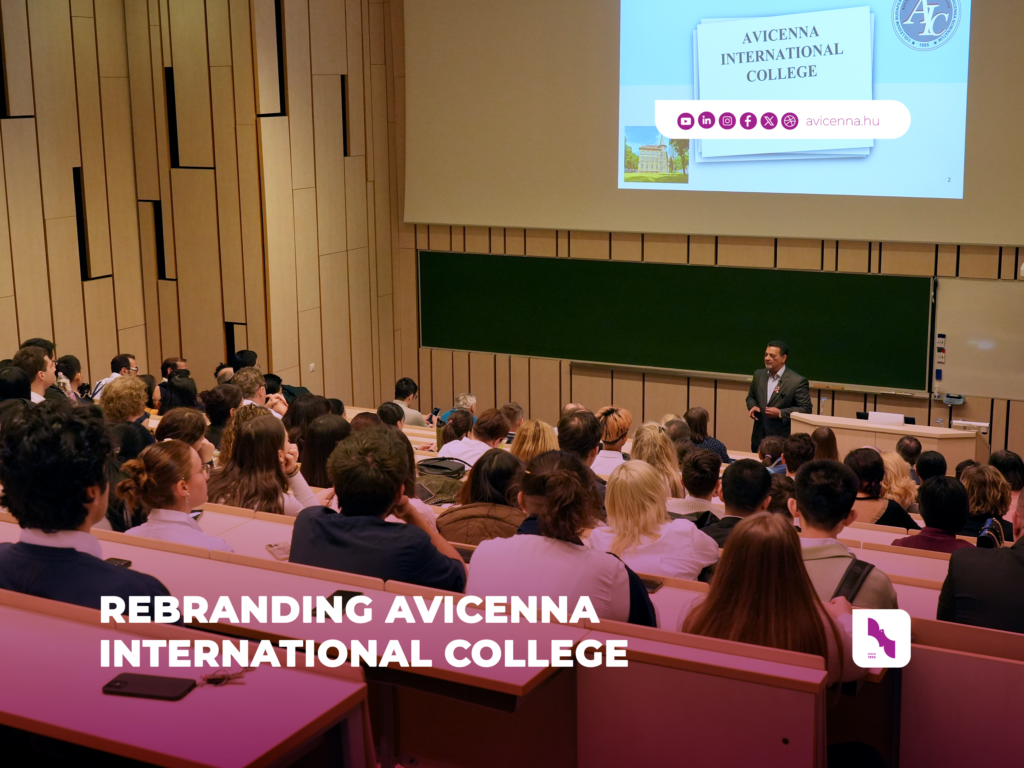
Why Rebranding Became Necessary
The need for rebranding did not come from marketing. It came from reality.
Education is changing at a pace that is difficult to ignore. Artificial intelligence, digital tools, and new expectations from universities are reshaping how students learn and how schools must respond. At the same time, parents are looking for more than academic results. They are looking for environments that support personal development, emotional balance, and global readiness.
At Avicenna, many of these changes had already started internally. The institution was moving toward mentorship-based learning. Classrooms were becoming more interactive. Technology was being integrated in a more meaningful way.
But externally, this evolution was not fully visible.
There was a clear gap between what Avicenna had become and how it was being perceived.
Rebranding became necessary to close that gap.
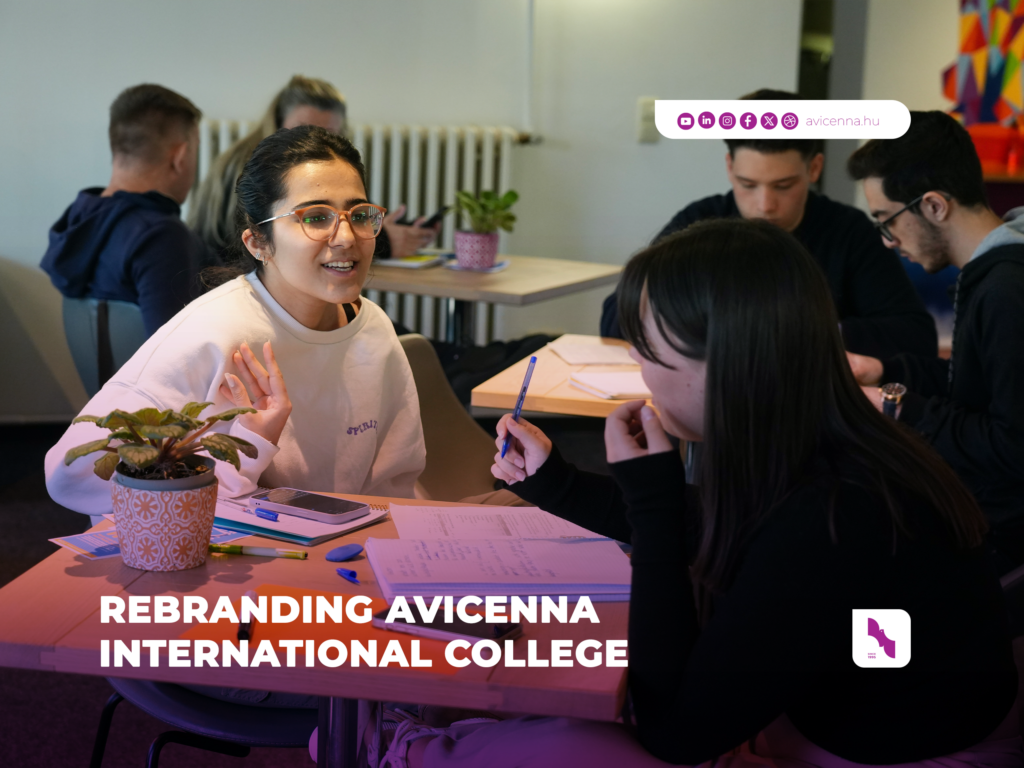
The Real Challenge: Alignment
One of the most important decisions we made early in the process was to avoid the idea of reinvention.
Rebranding does not always mean creating something new. In this case, it meant bringing different layers of the institution into alignment.
This alignment had three dimensions.
First, alignment with the past.
The history and reputation of Avicenna had to be preserved and respected.
Second, alignment with the present.
The current educational model, including mentorship and active learning, had to be clearly expressed.
Third, alignment with the future.
The role of technology and the direction of modern education had to be integrated without losing the human element.
When these three layers are aligned, the brand becomes coherent. Without this alignment, even the most well-designed visual identity will fail to communicate effectively.
What Actually Changed
Rebranding is often associated with visible elements. In reality, the most important changes are structural.
At Avicenna International College, the process touched several key areas.
Educational Approach
The narrative around education became clearer. The focus shifted toward active learning, mentorship, and the development of independent, critical thinking. Technology was positioned as a support system, not as a replacement for human interaction.
Learning Environment
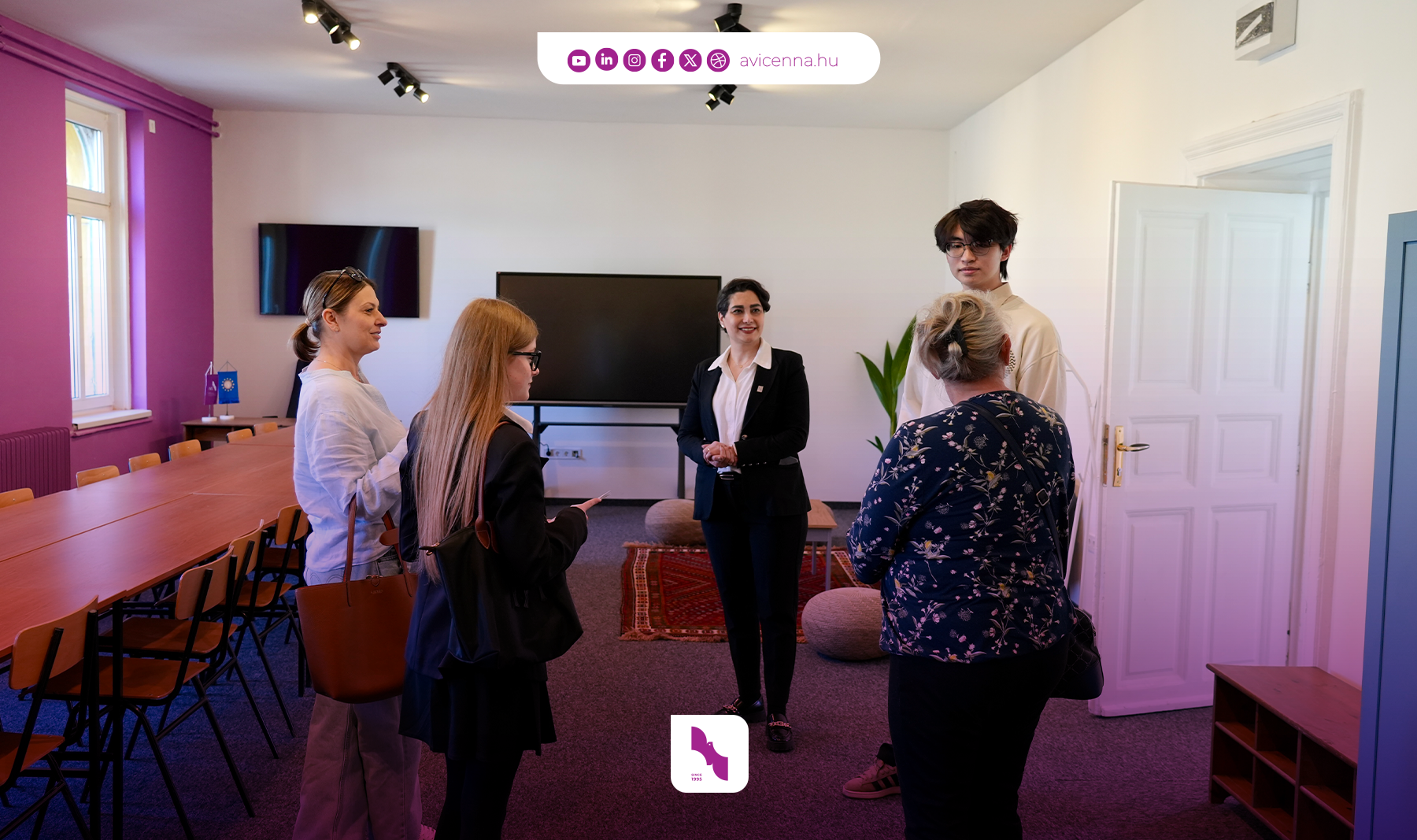
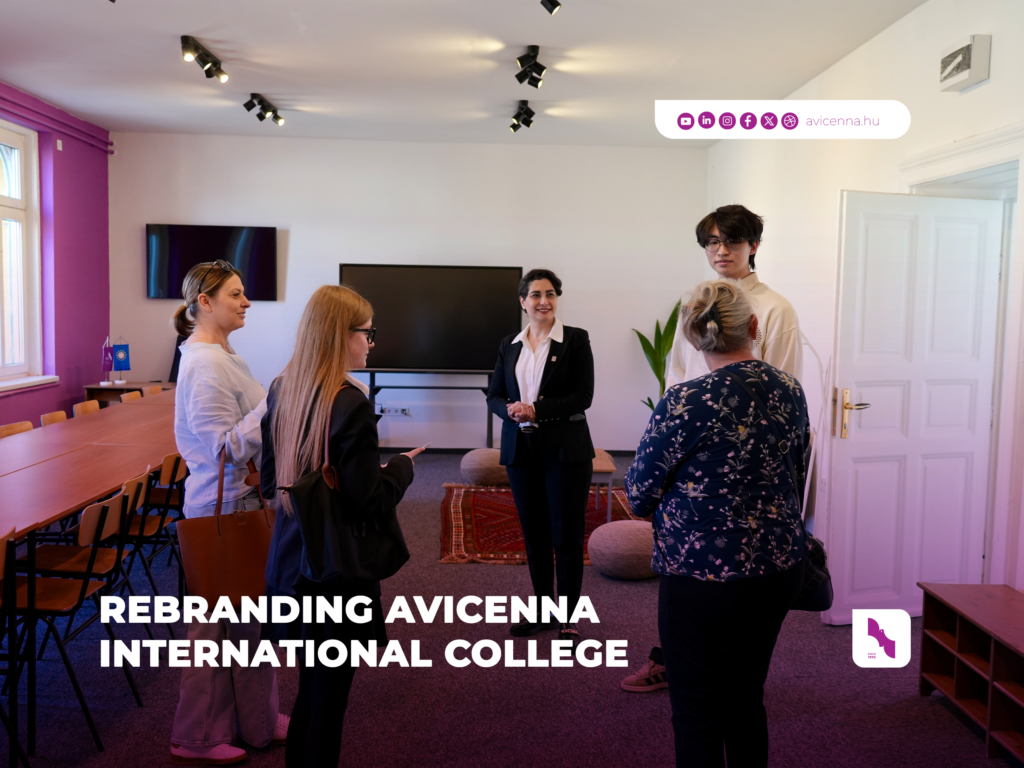
Physical spaces were reconsidered in terms of how they feel and how they function. The aim was to create environments that support focus, collaboration, and comfort. Spaces that feel closer to a second home than a traditional classroom.
Digital Presence
The website became an important part of the rebrand. It was redesigned to reflect clarity, accessibility, and a more human tone of communication. It needed to represent the institution as it truly is today.
Language and Communication
This was one of the most sensitive parts of the process. Educational institutions often fall into the trap of using overly promotional language.
We deliberately moved in a different direction. The tone became simpler, more precise, and more human. Confidence was expressed through clarity rather than exaggeration.
Visual Identity
The rebranding also included a renewed visual identity, including the logo and color system. These elements were redesigned to reflect clarity, warmth, and a more human-centered educational experience.
The thinking behind this transformation, including the inspiration and meaning of the visual elements, will be shared in a dedicated article.
The Internal Dimension
No rebranding can succeed if it remains on the surface.
The most meaningful part of this process was internal. It involved conversations, alignment, and a gradual shift in mindset.
Teachers were encouraged to see themselves more clearly as mentors. Teams were aligned around shared values. The culture of the institution was made more visible and more intentional.
A brand is not what is written in documents. It is what people experience every day.
If that experience does not change, the brand does not change.
Lessons from the Process
Several lessons became clear through this journey.
Clarity is more powerful than complexity.
When people understand who you are, trust follows naturally.
Consistency builds credibility.
Every part of the institution must communicate the same message.
People carry the brand.
Students, teachers, and staff define the real identity of a school.
Change must feel natural.
If rebranding feels forced, it creates resistance. If it feels aligned, it is accepted.
Looking Ahead
Rebranding Avicenna International College was not about creating a new institution. It was about making an existing transformation visible and understandable.
Today, Avicenna stands with a clearer identity and a stronger sense of direction. The foundation remains intact, but the way it is expressed has evolved.
The goal was never to speak louder.
The goal was to be understood more clearly.
And in education, that clarity is what builds long-term trust.
We help shape the best future for our children.
By Dr. Hosseini Mohammad
Business Development Director, Avicenna International College
17th March 2026